downed cow
News / SHOCKING PHOTOS: Appalling Conditions on Live Export Ships

SHOCKING PHOTOS: Appalling Conditions on Live Export Ships

*2016 UPDATE*

It has now been revealed that Dr Simpson was removed from her position as a veterinarian by the Federal Government, just weeks after her report was published.


Dr Lynn Simpson, who sailed on 57 live-export journeys as the ship veterinarian, in addition to her work in feedlots and during loading and transportation, submitted a damning report to the Australian Standards for the Export of Livestock (ASEL) review about the conditions aboard live-export ships.

The photographs included with the submission show some of the injuries and health hazards as well as how woefully inadequate current standards are, as many of the pictures reveal substandard conditions on ships which passed their ASEL inspection.
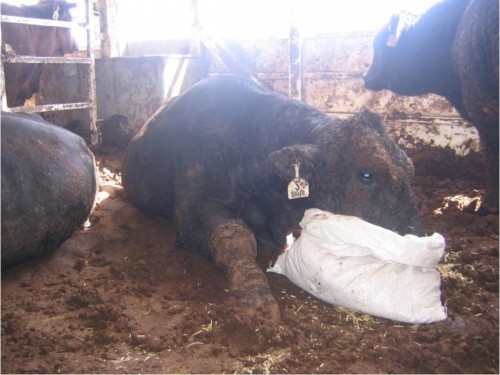
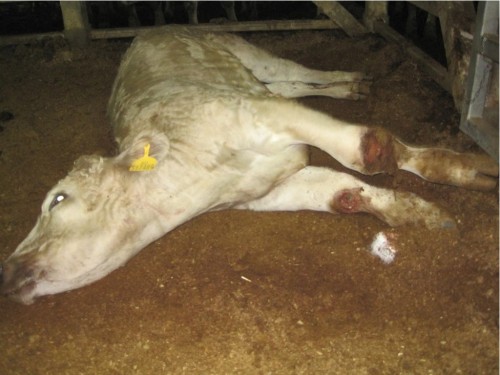
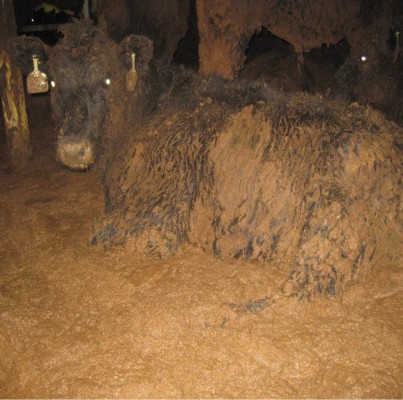
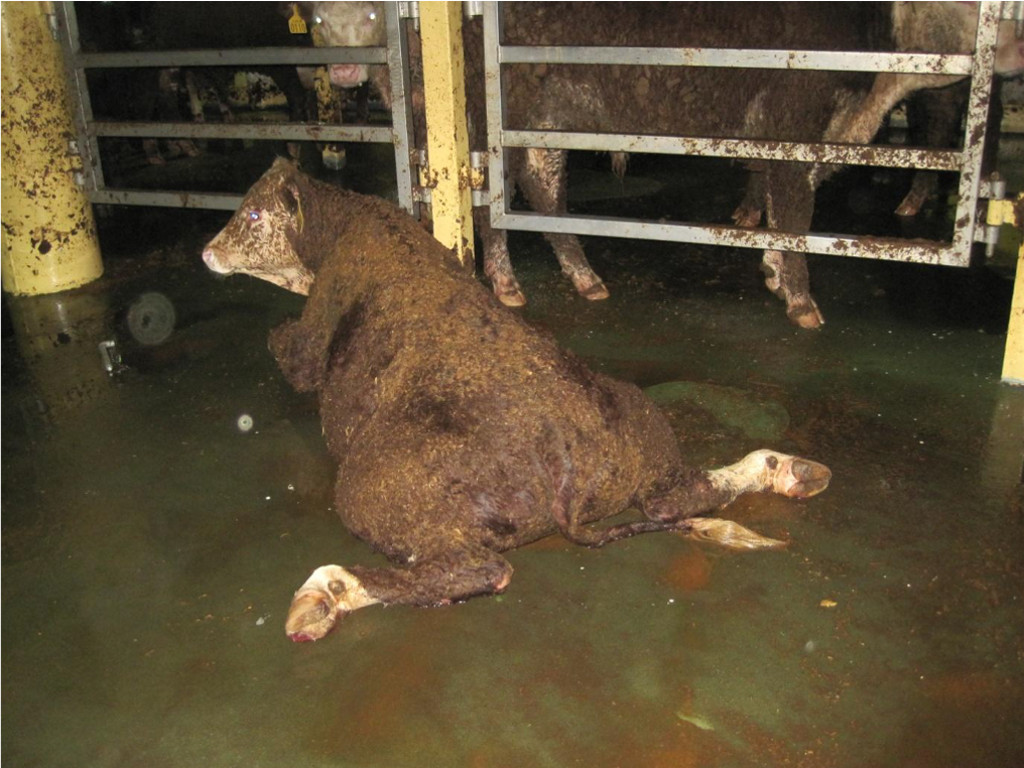
downed cow
This bull was over 700 kg, and eventually became “downed”.
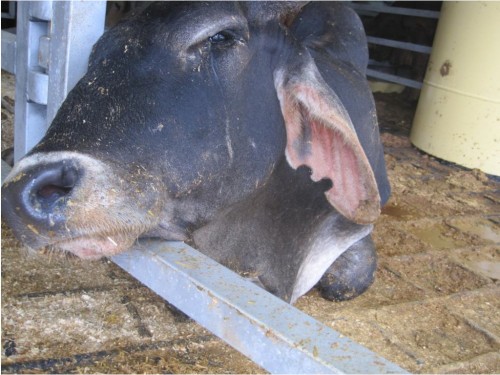
cow with medical issues
A bull with a scrotal hernia, a severe medical condition.
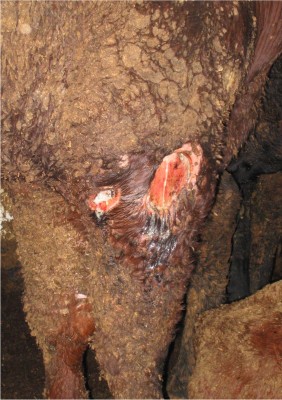
cow with open sores
This cow is unable to bend her legs or stand up.
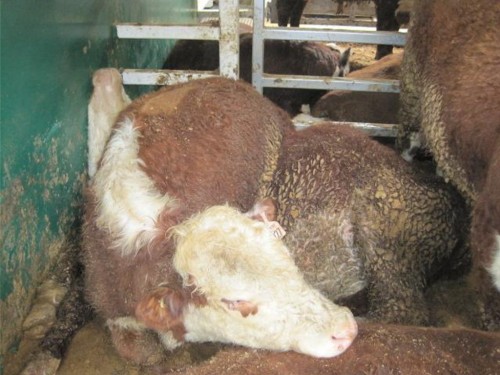
animals are smothered
Animals can become smothered on long voyages when they become tired.
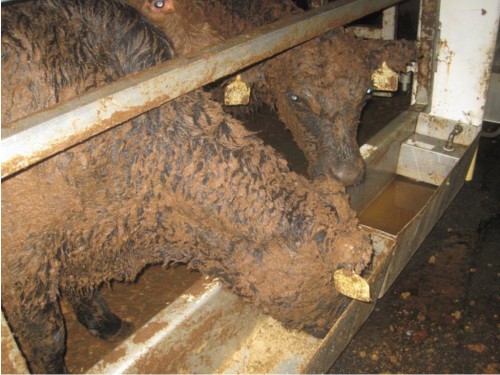
dirty water on live export ship
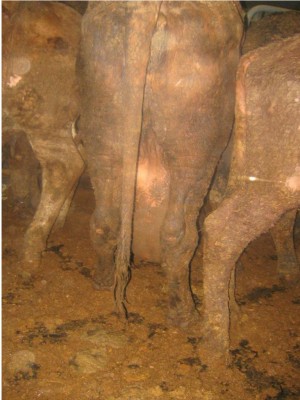
Animals become covered in their own waste, which leads to contaminated food and water.
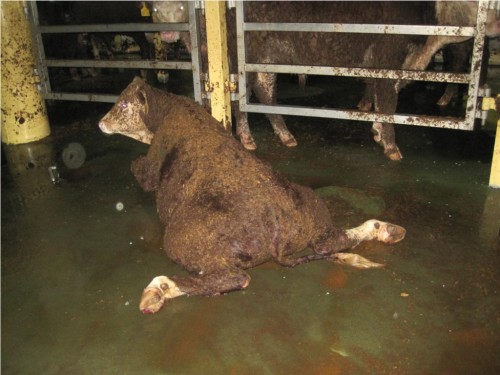
downed cow
Slippery deck surfaces cause animals to become unable to stand.
Faecal pad build up, long haul voyage
Animals are forced to lie in their own faeces.
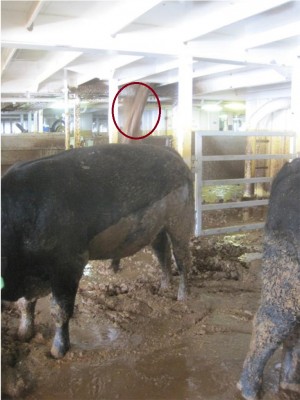
Faecal waterfall
Note the circled faecal waterfall. Faeces from the upper decks flow into those below during cleaning.
Open sores on a sheep
Open sores on a sheep’s elbow.
Downed cow
Some animals become “downed”, meaning they can no longer rise due to their injuries.
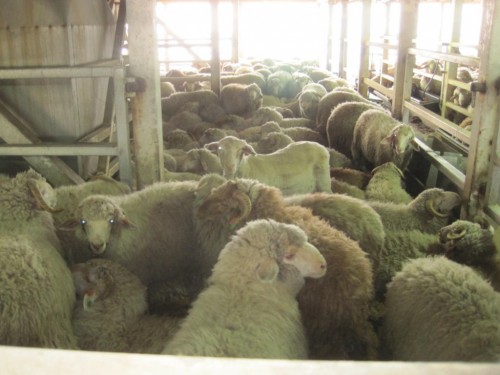
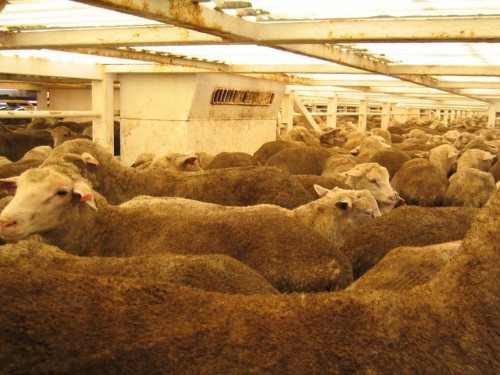
Typical sheep stocking density
Typical overcrowding on a ship of sheep.
Typical sheep stocking density
Typical overcrowding on a ship of sheep.
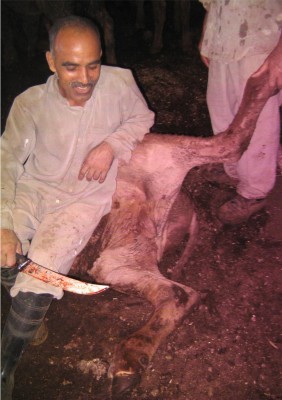
slaughter of injured cow
Injured animals are slaughtered on the ship.
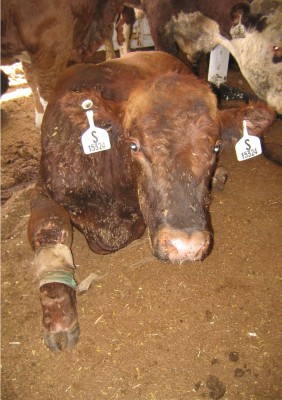
Downed cow with leg abrasions
This cow is suffering from leg abrasions from the deck surface.
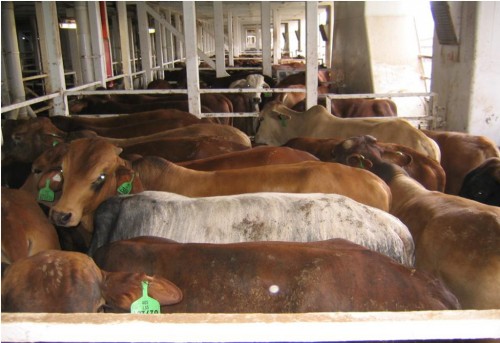
Typical stocking density on live export ships
Typical overcrowding on a live export ship. Note that not all animals can lie down at the same time.

Dr Simpson should be congratulated on having the courage to speak up in a bid to improve conditions for animals used for live export. There is simply no humane way to transport thousands of animals on stinking, filthy ships in extreme temperatures and on journeys lasting days or even weeks to reach a destination where they will be slaughtered in ways which would be illegal in Australia.

Ask the Australian Prime Minister and your local MP to end live export today, before millions more animals suffer the same terrible fate.

Help Animals in 2026: Renew Your PETA Membership!

Donate Now
Call to Action Image