Anzacs Shot and Poisoned – Pigeons Used In War, Then Left To Die
Imagine if our Anzacs, veterans of war, soldiers who fought for Australia, were tossed aside after their homecoming and left to live on the streets.
While limping on lost limbs and scrounging food from garbage cans, parents encourage their children to kick and chase them. They’re called derogatory names, poisoned, and even shot.
That’s the reality for thousands of descendants of Australia’s forgotten Anzacs – pigeons – who were used by humans in the war and then discarded to fend for themselves in ever-urbanised areas in which they struggle to survive.
Once, pigeons were considered our “secret weapon”. Now, they’re treated like a scourge on our cities. But their value is inherent and never changing. They’re individuals, and, like all animals, they should never be used in armies or treated like a problem.
Animals Aren’t Soldiers
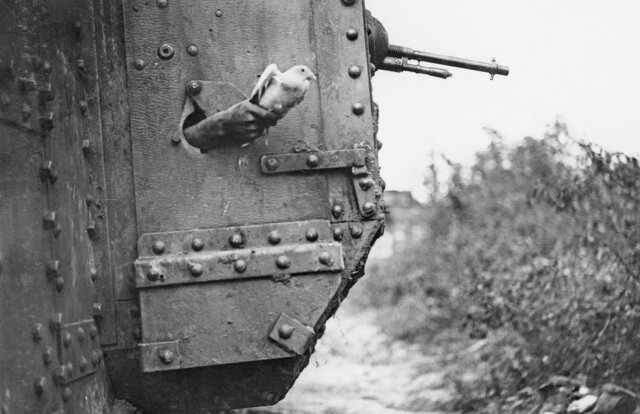
Animals don’t wage wars, and to use them as involuntary cannon fodder is despicable. Dogs, birds, horses and other animals used in conflicts are often the victims of fatal or life-altering injuries, trauma, or are euthanised or left to die when human troops head home.
Over 13,500 homing pigeons were used by Australia during World War II, carrying vital messages – but they received no parades or heroes’ welcome home. Due to Australian Quarantine rules, those who served abroad were banned from reentry and were killed when the battlefield fell silent.
Today, animals – mostly dogs and horses – are still used in conflict, primarily in rescue roles, bomb detection, and mounted roles. Animals are also used in “live tissue trauma training”, cutting apart live animals.
Every Pigeon Is Someone
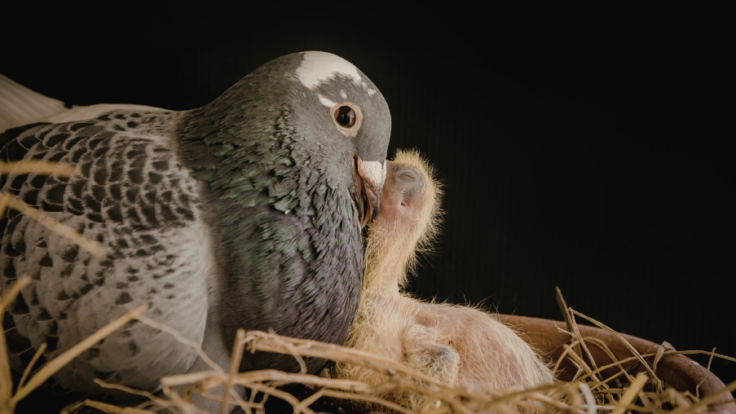
Pigeons are fascinating individuals. They mate for life and are devoted parents, with the mother and father taking designated shifts of roughly 6 hours each to look after their young.
In flocks, pigeons use collective decision-making to steer flying patterns, speed and directions, and are diplomatic – everyone gets a chance to lead.
They’re also clever – they use magnetic fields, sunlight, and even smell to navigate over vast distances, can recognise themselves in mirrors and learn complex tasks.
Pigeons are doves, symbols of peace, and they deserve to live.
Pigeons Aren’t “Pests”
“Pest” is a convenient, but inaccurate word used to describe animals who, just by living their lives the only way they know how. In reality, it’s humans who have encroached on the natural world, and our actions – most notably, raising animals to eat –
Australia’s military is ever ready to join any conflict that may arise, but that shouldn’t mean readying animals for battle.
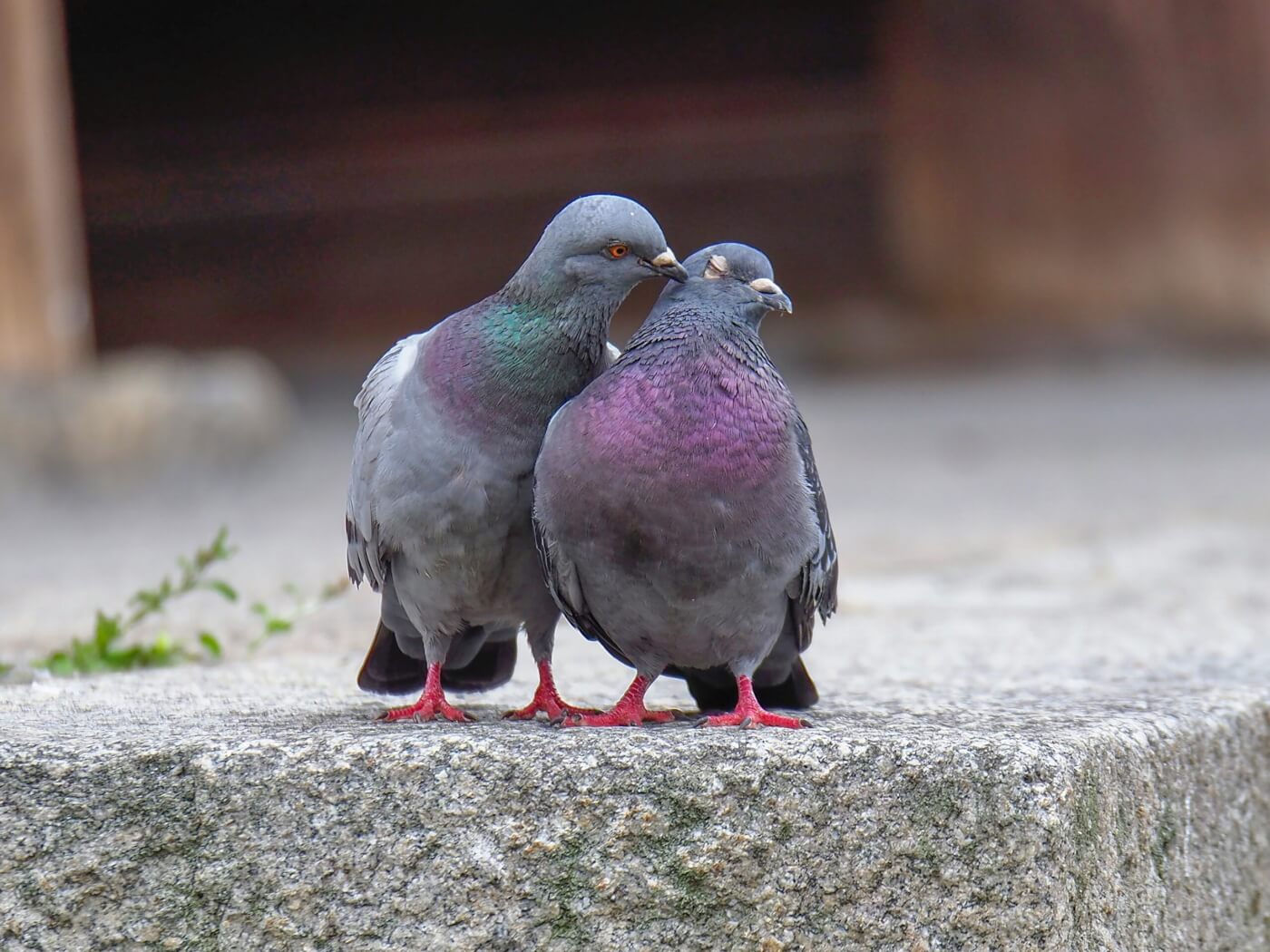
Pigeons are local residents as much as any human being – they are born there and a part of life in our cities, and we need to respect their existence and recognise that they wouldn’t even be here if not for us.
Pigeon Racing Is Cruel
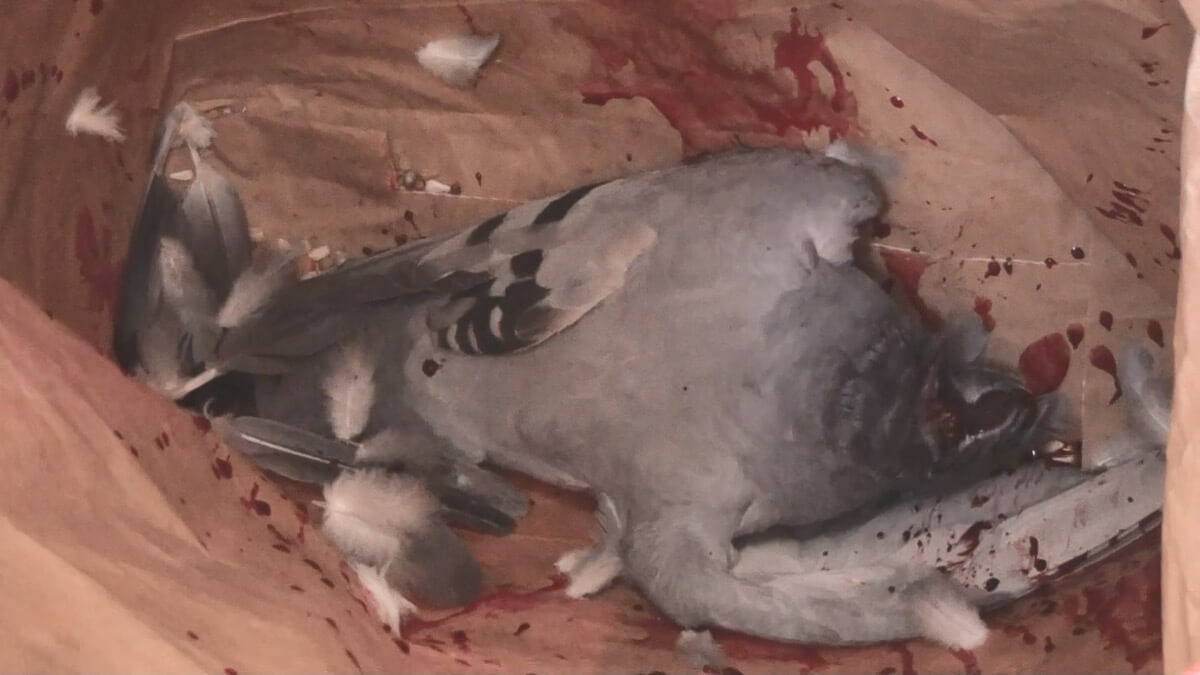
Pigeon racing is a deadly hobby. Each year, millions of birds die horribly. Some succumb to injuries caused by bad weather, collisions, hunters and electrocution on power lines, and others die of exhaustion and illness, with diseases like rotavirus killing entire lofts of birds at a time.
Others still are killed at the hands of their owners when they return home from flying their best, but are deemed not good enough. One PETA US investigation revealed trainers suffocating, drowning, gassing, decapitating, and breaking the necks of pigeons.
Other times, birds are simply discarded to form ‘feral flocks’ who are entirely reliant on humans for their survival. The pigeons used in Australia’s war efforts were ‘homing pigeons’ donated by human hobbyists, and left to die abroad.
How You Can Help Pigeons
- Helping pigeons is as simple as leaving them be. Don’t chase; kick them and tell children not to either.
- If pigeons are congregating and their presence puts them at risk, work to eliminate litter and food sources to encourage them to leave the area.
- Never use glue traps, poisons, baits or other items that lead to cruel deaths for animals.
- Never support pigeon racing or the use of homing pigeons
Aside from treating each pigeon you meet with the respect they deserve, you can also help restore Australia’s natural wilderness by refusing to fund the products of environmental destruction and cruelty to animals, such as meat and wool.
Get started on your compassionate journey now with our 30-Day Vegan Challenge!
Help Animals in 2026: Renew Your PETA Membership!
Donate Now