Love Frogs? Go Vegan!
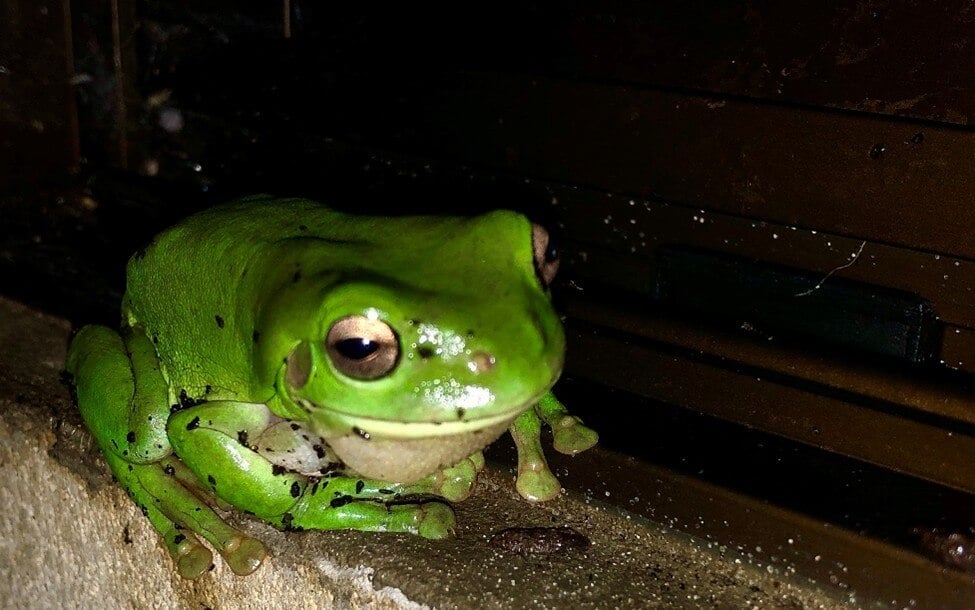
March 20 is World Frog Day, a chance to celebrate some of the most resilient, diverse and fascinating amphibians on the planet, and reflect on how we can help ensure frogs continue to thrive.
As Kermit sang, it’s not easy being green, and frog numbers are declining globally, and in Australia.
Here are some of the issues facing our frog friends, and how you can help them stay “hoppy and healthy”.
Never Put a Frog on Your Fork
Frogs’ legs are for jumping, not for munching!
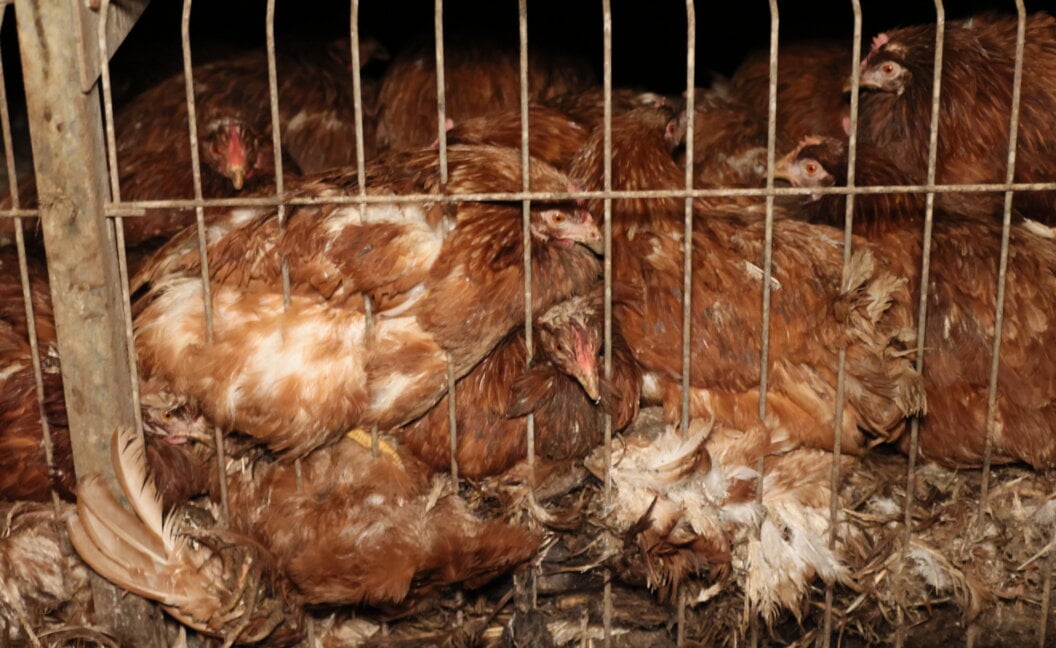
Frogs are fascinating, feeling individuals, devoted parents, and resourceful animals. Yet, like other animals, frogs suffer immensely in the food system.
PETA exposés of the frog flesh industries in Vietnam and Indonesia, these sensitive amphibians are snatched from their natural homes, crammed into sacks, and violently dismembered – all so their legs can be sold to restaurants and supermarkets all over the world.
Leave Other Animals Off Your Plate, Too
Some of the biggest issues facing frogs are climate warming, habitat destruction, and water pollution, and the biggest driver of all three is raising animals for food.
Cattle ranching is responsible for as much as80% of deforestation in the Amazon Rainforest, which is home to over 1000 frog species.
In our own backyard, land clearing to raise cattle, sheep, and other animals for their fleece and flesh has seen Australia become a deforestation hotspot.
Meanwhile, the greenhouse gas methane, emitted by those animals, has made the country even more of a literal hot spot, drying out frogs, with 24 species at risk of extinction by 2040.

Say NO to Classroom Dissection
No one needs to cut up an animal to learn about them, and no scalpel can reveal to a student the rich emotional experience frogs enjoy, such as displaying empathy and altruism.
Research shows that leading young people to believe that animal dissection and “science” are inextricably linked can foster callousness towards animals and nature or dissuade some from pursuing careers in science.
There are many alternatives to animal dissection, including computer models, sophisticated simulators, and realistic, interactive, multilayered frog models like Kind Frog and SynFrog, which exactly replicate frog dissection without the cruelty.
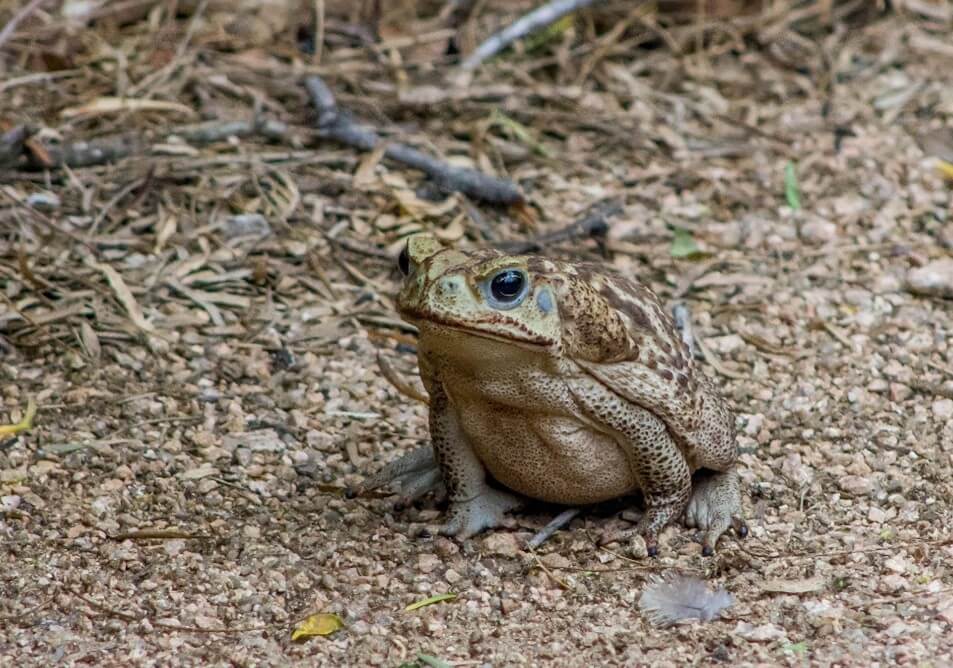
Be Kind to Cane Toads
Imagine you were brought to a country against your will and released to do a job that you weren’t really equipped for. Now imagine that, just because you strayed from the places that those who brought you here somehow expected you to stay in, you were poisoned, hunted, and bludgeoned with bats and clubs.
That’s life for cane toads, a species of frog introduced to Australia by myopic sugar growers.
It’s not cane toads’ fault they – as ground dwellers – aren’t effective in controlling flying bugs, and don’t understand imaginary borders.
Toads are sentient animals who feel stress, pain, and fear, and even hold little grudges. They’re not golf balls or pests.
Never Buy A “Pet” Frog
Frogs are wild animals, not toys or displays. The “pet” trade is rife with animal abuse, and the trade in wild animals is notorious for harming animals. Animals often die while crowded into vessels for transport and being sold on to unscrupulous traders and shops who lack the expertise needed to help owners care for them correctly.
Buying wild animals also fuels illegal trafficking, which increases the risk of zoonotic disease transmission and can introduce animals to environments not suited to them.
Other Ways to Help Frogs
Frogs in Australia face many challenges, including rising cancer rates. If you spot a frog with blotchy skin, lumps, ulcers or holes in their skin, a frog who is sitting in the sun all day, appears to be struggling to move, looks too skinny, or is bleeding, contact a frog rescue like Frog Safe immediately.
You can also help frogs by not using pesticides, leaving them water on hot days, carrying an ice cream tub and gloves in your car for emergency rescues, and by monitoring companion animals in the garden.
But the biggest way to help frogs and all animals is by going vegan! If you’re ready to “leap” into a kinder, greener way of life, take our 30-day vegan challenge today.
Help Animals in 2026: Renew Your PETA Membership!
Donate Now