November Is Plant Wool Month: Here’s Everything You Need to Know
When it comes to weaving a better future using long-lasting materials that can help protect our forests and oceans, reduce emissions, and protect animals, nothing comes close to soft, insulating, natural, and environmentally friendly plant wool.
Made from a myriad of natural fibres, from cotton and hemp to nettles, bananas, and even potatoes, the list of plants being innovatively turned into green, kind fibres continues to grow. All over the world, visionaries are finding new ways to spin plant yarns from crops that reduce water use, capture carbon, subvert landfills, and provide jobs for communities.
Plant Wool: Kind to Planet and Animals
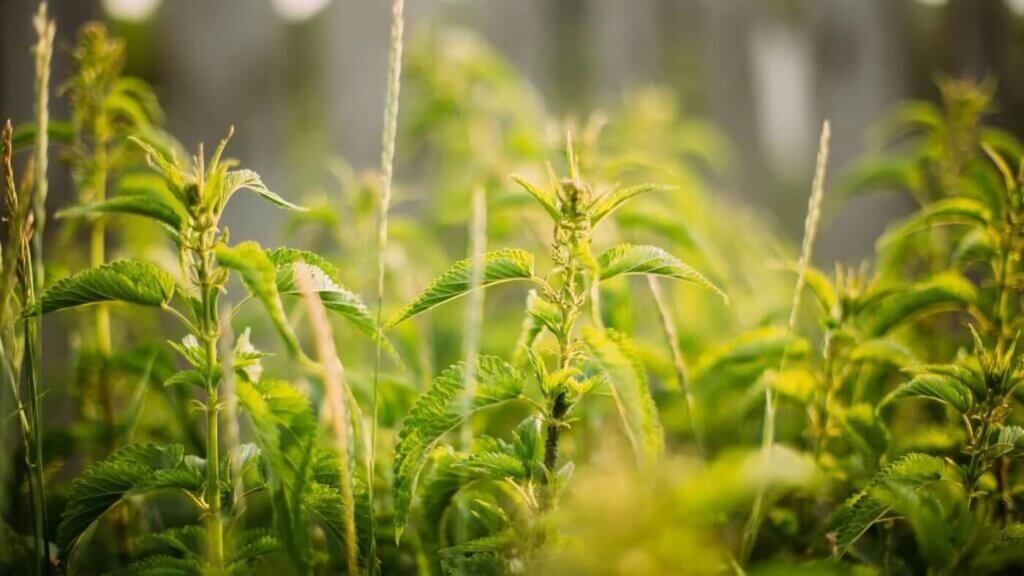
Via sustainable farming and processing practices, plant wool provides a superior, green fibre without the extensive and destructive deforestation and pollutants associated with raising sheep.
Grown, not farmed, plant wools are plastic-free, environmentally friendly, and cruelty-free.
Plant wool replaces both methane-heavy animal farming and the need for synthetics, instead opening up a world of future-proof fabrics for use in fashion, homewares, and technical applications.
Plant Wool: The Future of Fashion
Our climate needs us to embrace animal-free and plastic-free textiles that advance the fashion and functional fabrics industries while reducing greenhouse gas emissions and protecting the animals with whom we share our precious planet.
Read on to learn more about innovative plant wools, where to find them, and how to make them a part of your sustainable wardrobe.
Sheep don’t grow on trees. But wool can.
Find Out More About Plant Wool
Help Animals in 2026: Renew Your PETA Membership!
Donate Now