This Mother’s Day, Remember: Others Are Mothers Too!
Six Reasons Mothers of All Species Deserve Our Respect This Mother’s Day
Falling on the first Sunday in May, Mother’s Day is a chance to thank the females in our lives who devote themselves to nurturing us or the children we share with them. Celebrating selflessness and connection, there’s no reason for Mother’s Day to exclude other species.
After all, other animals also love their children and deserve to be free to enjoy family life!
This Mother’s Day, whip up some delicious vegan bacon with tofu scramble and oat milk lattes, and learn why mothers of all species deserve our respect and compassion.
Elephants
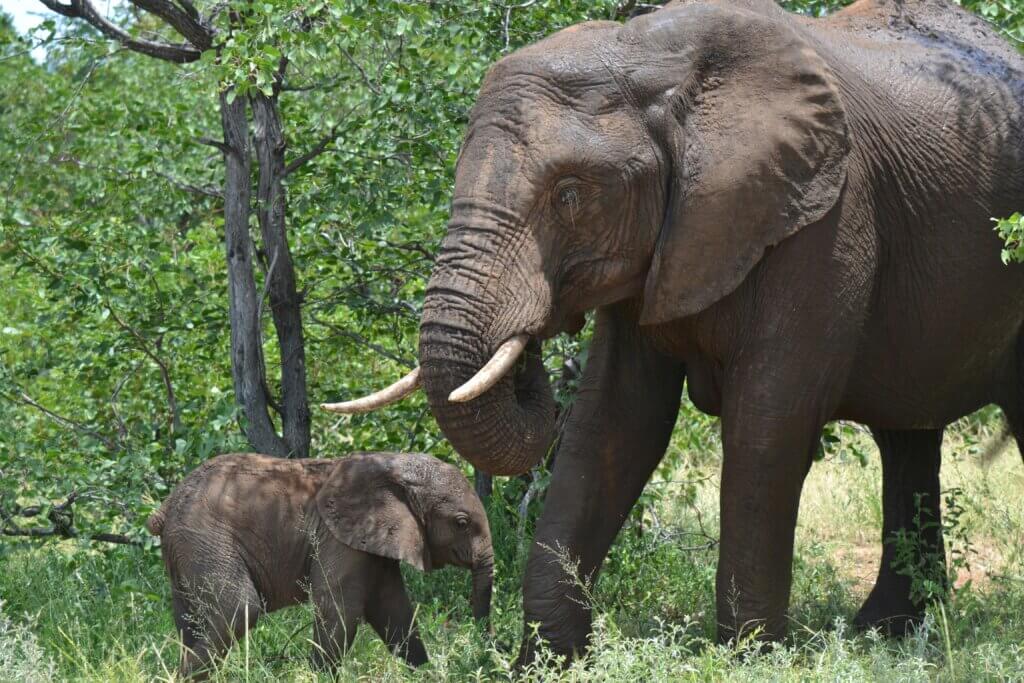
Famed for their strong family bonds and matriarchal social structures, elephants revere female herd members and the mother-child bond. After up to 22 months of pregnancy, elephant calves are welcomed into their herd by everyone, and raised primarily by their mother and other females, like aunts and cousins.
Mother elephants patiently teach their babies how to forage, use their trunks, and swim, and will lead their herd in encircling the babies in the safety of a “trunk-to-tail” in the event of an earthquake or predator threat.
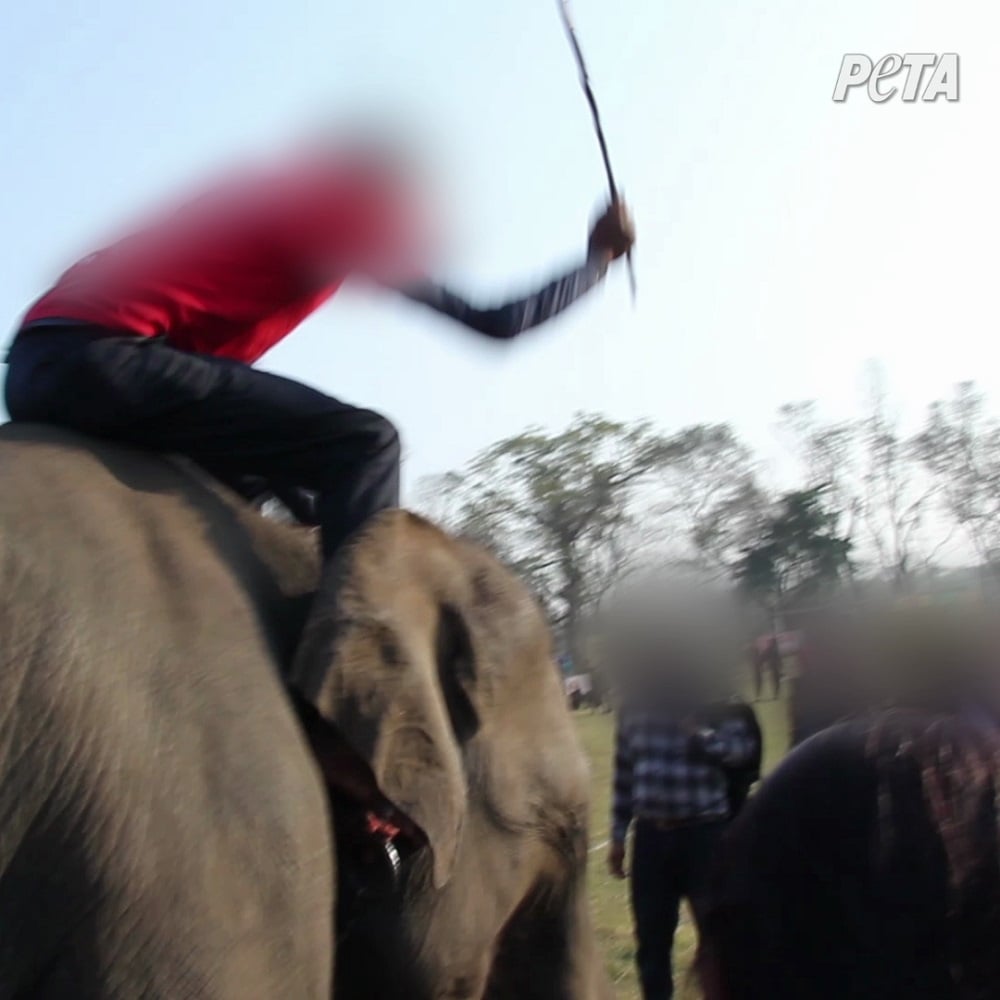
In their natural homes, female elephants remain with their mothers for life, but, in captivity—such as inside tourist traps offering elephant rides— they’re denied everything important to them, including vital companionship. Chained alone, sometimes for decades, elephants used for rides are usually beaten with bull hooks to break their spirits and endure painful spinal deformities from carrying the weight of humans.
Cows
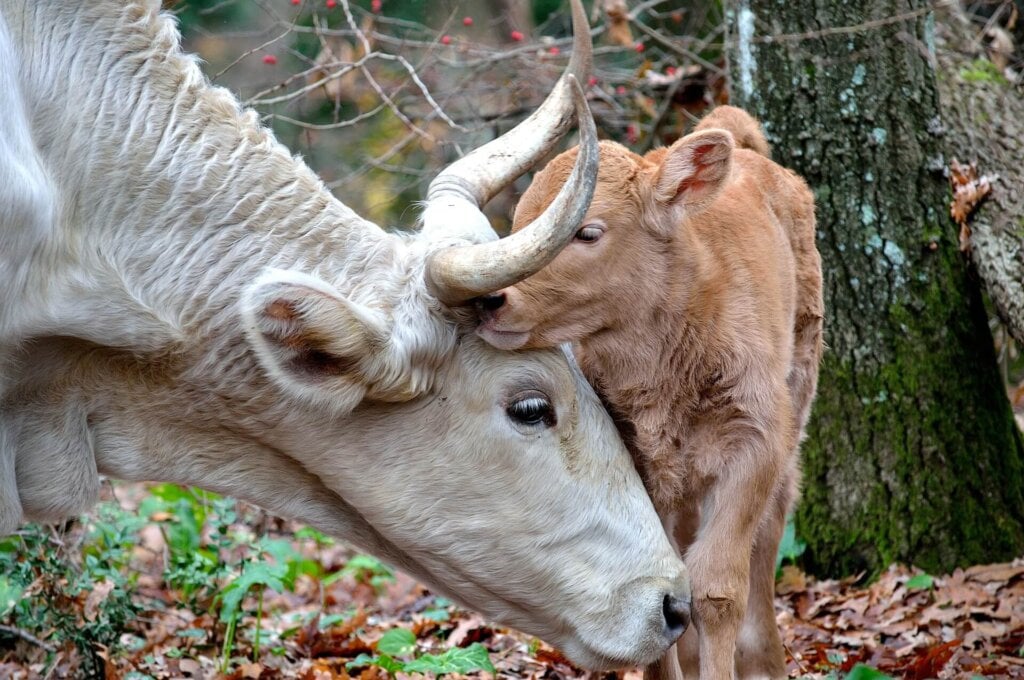
There’s a reason cows and bulls are referred to as “grass puppies”. Playful and curious, cows and bulls form close friendships and enjoy playtime, just like dogs do. Whether chasing each other, bouncing a ball around or foraging about in a hay pile, cows love to explore and have fun.
Cows and bulls even play hide-and-seek and babysit their friend’s calves!
Like us, mother cows carry their babies for nine months, but, unlike most of us, they rarely get to keep their beloved young. For humans to have their milk, cows in the dairy industry are separated from their babies within days of giving birth. Males are usually killed for veal meat within a few months, while girls follow their mothers into a cruel cycle of breeding and milking, before being killed at a fraction of their lifespan.
Frogs
They may not be mammals, but that doesn’t mean frogs don’t have maternal instincts! Glass frogs, for example, brood on their clutch of eggs to protect them, just as a mother bird does.
After her eggs hatch, a mother strawberry poison dart frog transports each baby individually and deposits each tadpole separately into a personalised nursery pool. She then visits each tadpole daily for 50 days, laying an unfertilised egg to feed her babies.
Frogs are resourceful, adaptable, and, as important members of the biosphere, indicators of Earth’s health. Sadly, thousands of frogs are exploited daily in the meat industry, the pet trade, and laboratories.

Pigs
For many of us, the 1995 hit movie Babe was our first insight into how clever, resourceful, and playful pigs are—and what terrible fate awaits them at slaughterhouses.
Given the chance, pigs are devout mothers. They build cosy nests before giving birth and even sing lullabies to their babies as they nurse them.
In the meat industry, however, mother pigs are treated like machines, trapped in sow stalls and farrowing crates where they can’t even turn around, and forced to produce litter after litter of piglets who will be killed for bacon and other pork products.
Snakes
Because they’re not “cuddly,” some humans think snakes can’t be maternal or caring, but the truth may s-s-s-surprise you!
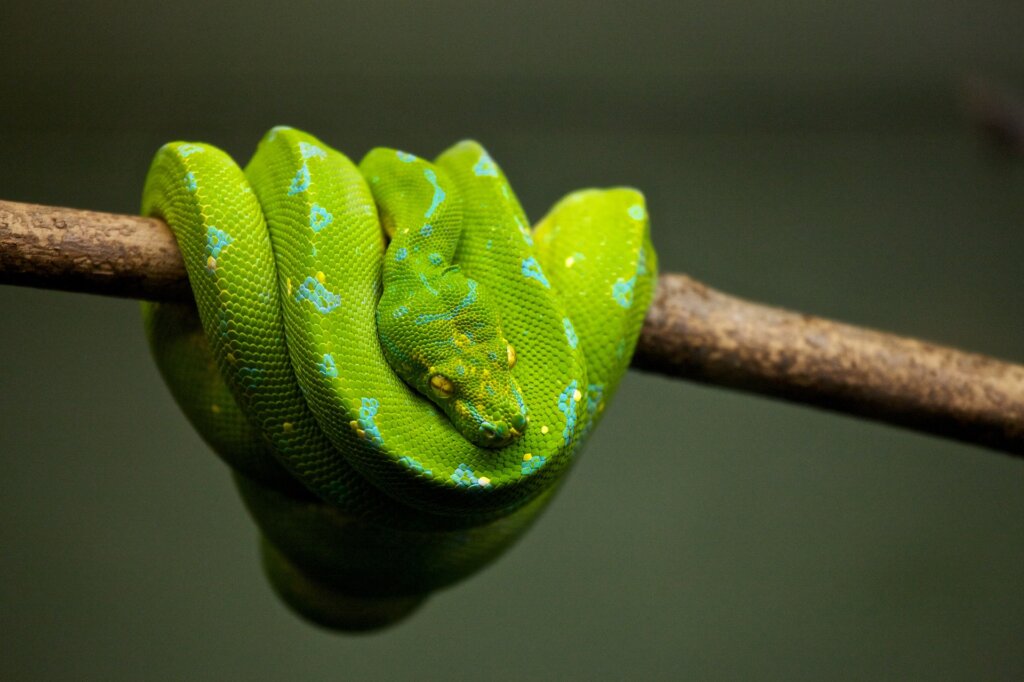
While some species of snake are loners, others are quite social, with rattlesnakes and pythons continuing to stay close to their young after hatching. Rattlesnakes also experience ‘social buffering’, that is, calming each other down in a stressful situation merely by ‘being there’ for one another.
Victims of the wild skins trade, snakes are routinely hunted, bludgeoned, nailed to trees, inflated with water and air, beheaded and skinned, all for handbags and shoes.
Hens
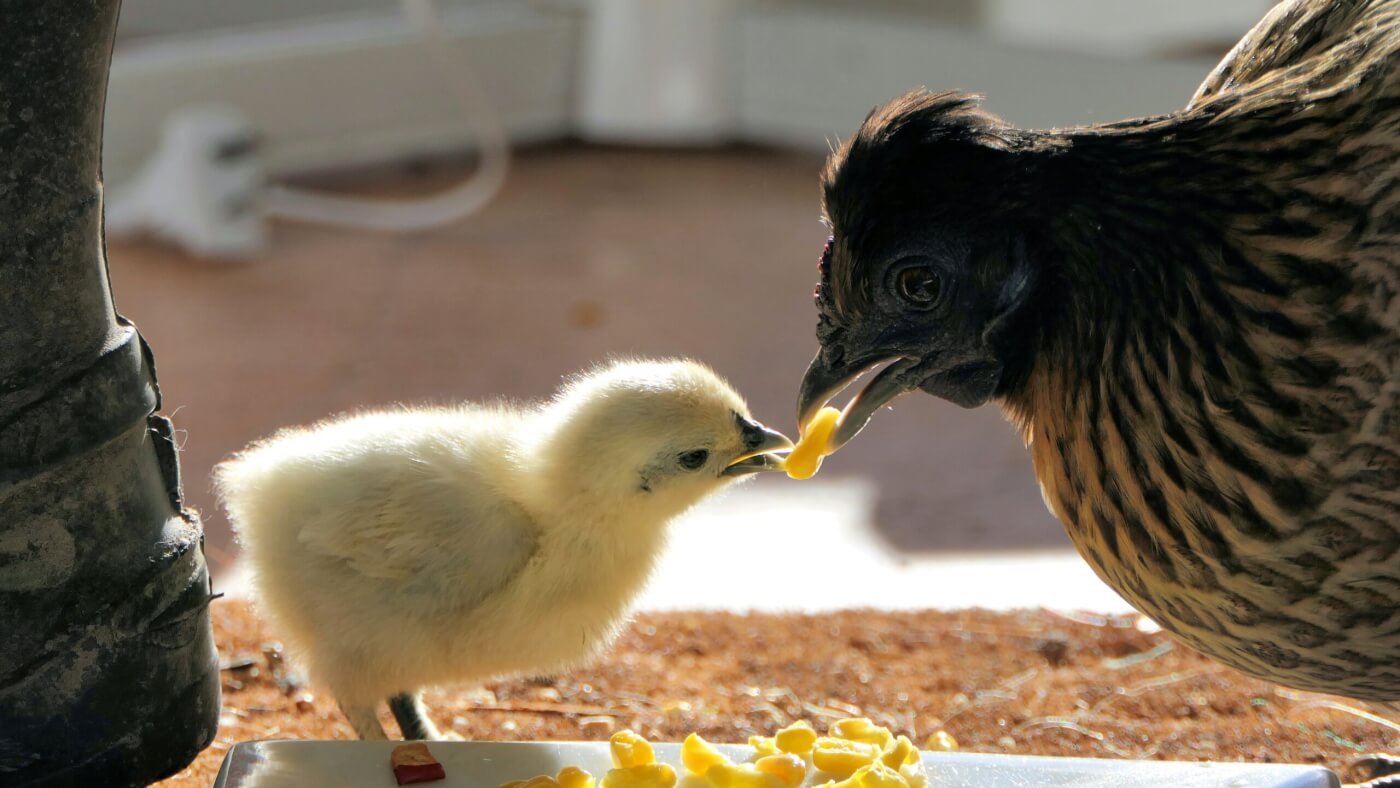
One of the most maligned mothers on Earth, hens are fascinating animals of great intellect. Chickens not only have fantastic memories and facial recognition, they also experience REM sleep and can learn from the past.
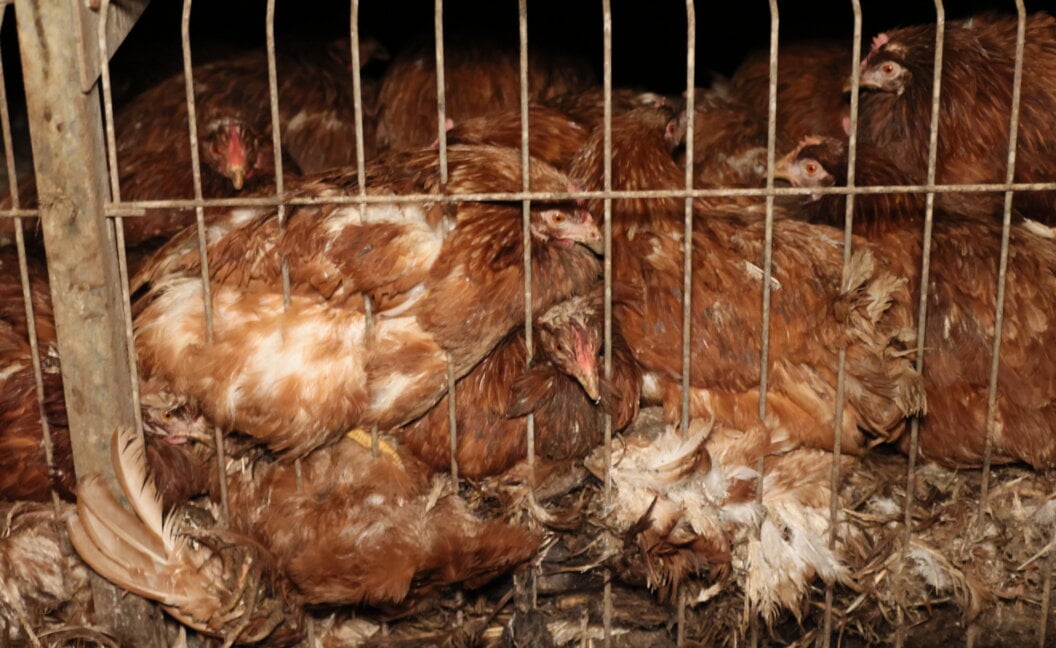
Mother hens gently cluck to their babies before they hatch, just as an expectant human mum might chat to her pregnant belly. For hens in the egg industry, though, motherhood is never realised. Instead, hens are kept in filthy sheds and forced to produce far too many eggs for their bodies, resulting in stuck eggs, cysts, infections, and ovarian carcinomas.
When their egg production wanes, usually at around years old, hens are taken to have their throats slit.
Maya Angelou once said, “A mother’s love liberates,” yet right now, billions of mothers all over the world are losing their babies behind bars, in tanks, in research facilities and on dark and dirty factory farms.
The industries that profit from animal exploitation rely on a steady stream of babies and, in turn, the broken hearts of grieving mothers.
You Can Help Animals Live the Family Lives They Deserve!
Inspired to give other mothers a life that’s worth a thousand sleep-ins?
Take our 30-day vegan challenge, and we’ll send you a month’s worth of support and inspiration to help you start living in line with your values of equality and social justice.
Help Animals in 2026: Renew Your PETA Membership!
Donate Now