Investigation Footage Reveals Why Tourists Must Avoid Bangkok’s Chatuchak Market
Bangkok’s Chatuchak Weekend Market—one of the largest in the world—is a bustling tourist destination. But tucked in among the colourful stalls and endless rows of souvenir shops, greedy people exploit and sell animals as if they were toys and trinkets inside the market’s notorious “pet zone .”
PETA Asia Investigation Uncovers Sick and Suffering Animals for Sale
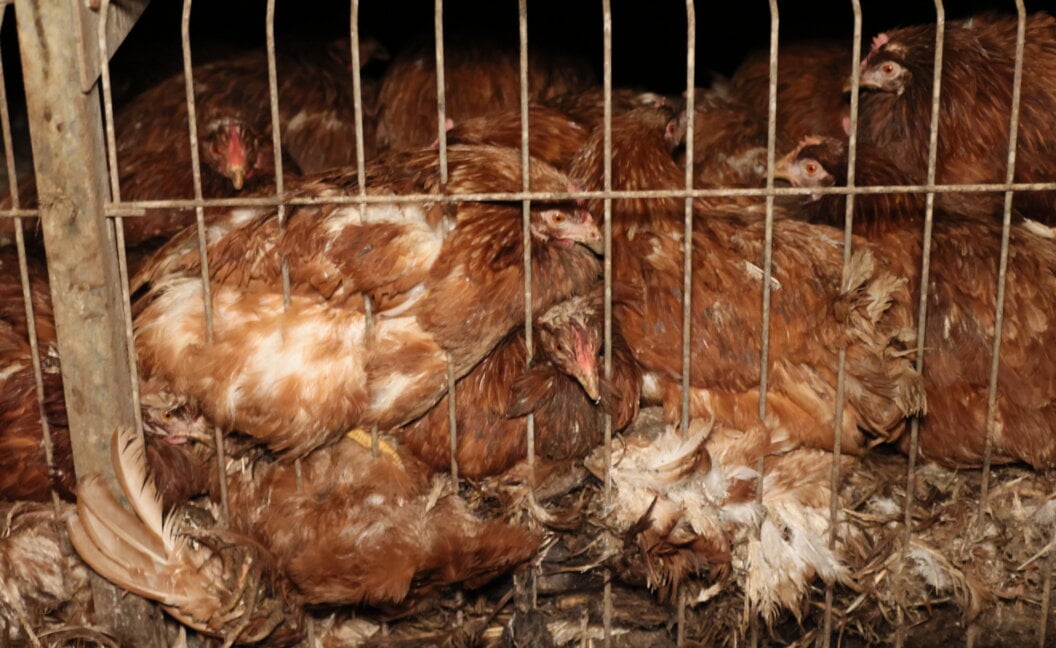
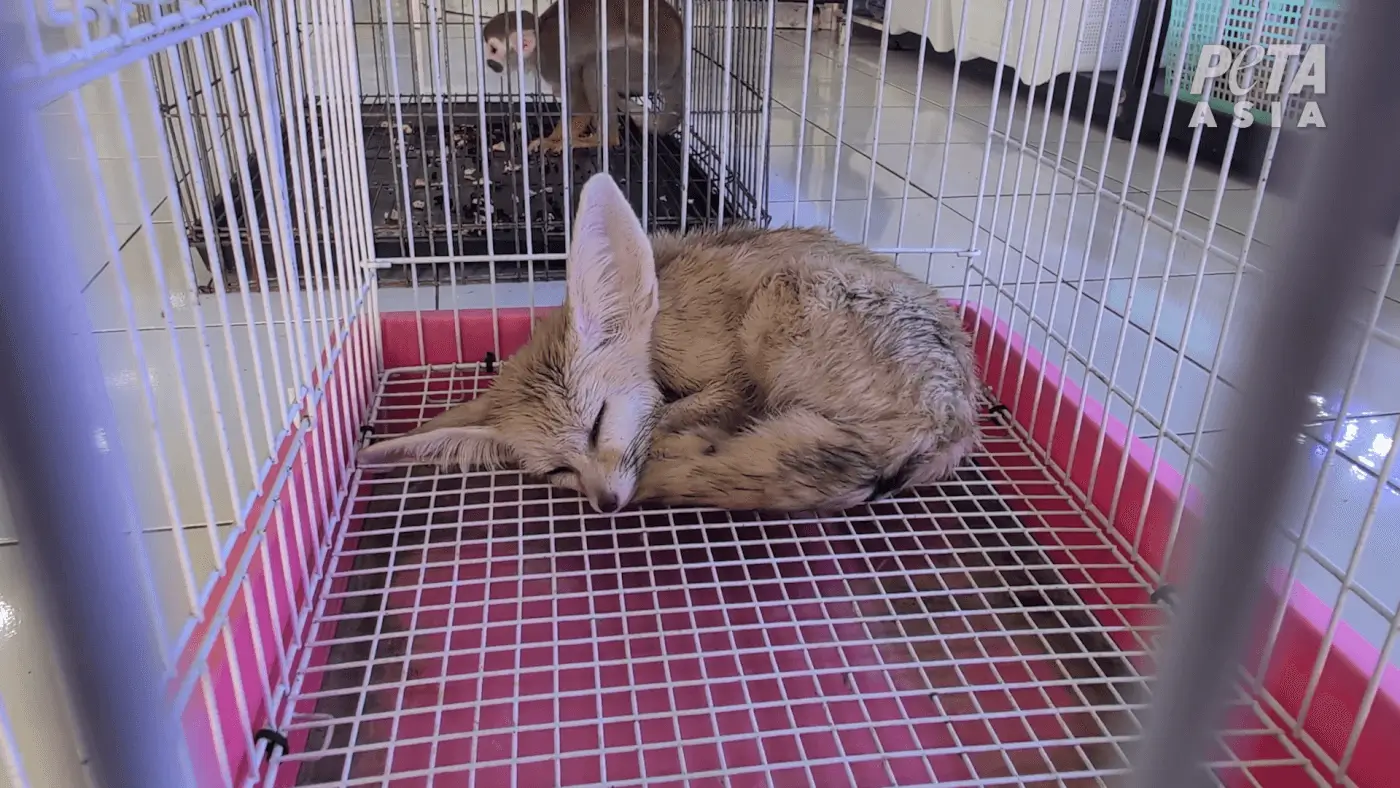
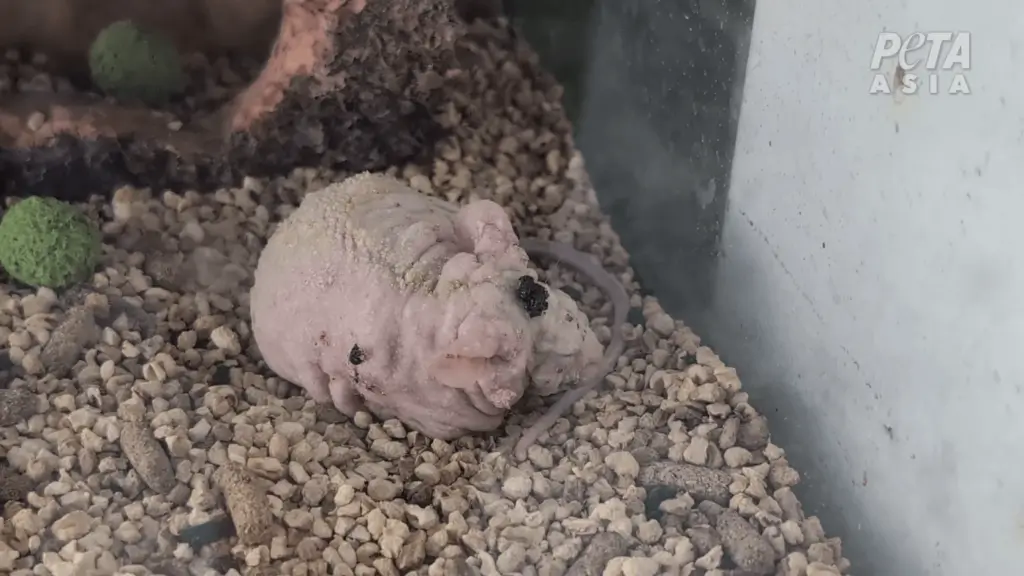
PETA Asia’s recent investigation revealed thousands of reptiles, birds, mammals, and exotic animals languishing in cramped, filthy cages. Many of them were visibly sick and suffering. In one instance, investigators found live animals locked in a cage alongside a dead one.
What’s more, this cesspit reportedly functions as a pipeline for the illegal wildlife trade. In 2024, officials at an airport in Turkey intercepted a baby gorilla en route to Bangkok. The shipment was believed to be linked to the Chatuchak Market.
When trappers kidnap animals from their homes, the terrified, disoriented animals often change hands several times through intermediaries and exporters, enduring grueling transport conditions along the way. Those who arrive at the market alive may be sold to people who lack the knowledge—or ability—to care for them. Many die from lack of proper care, or the people who bought them abandon them outdoors, where they starve or fall victim to the elements or predators. If they do survive, they may wreak havoc on the ecosystem.
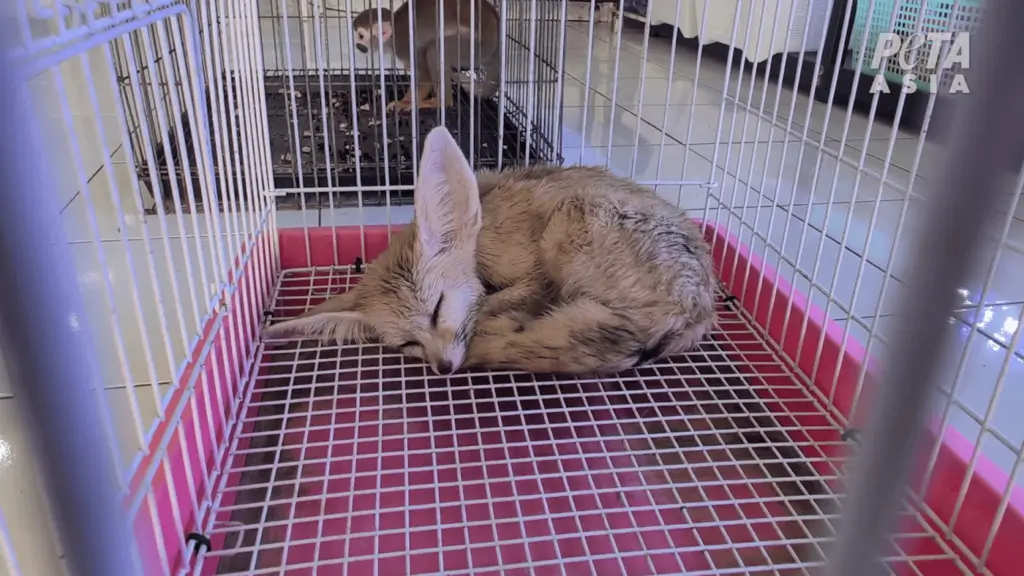
Chatuchak Market isn’t just disastrous for other animals; it’s also a public health risk. The filthy, unregulated conditions are a breeding ground for zoonotic diseases that infected animals can spread to humans. The COVID-19 pandemic should have been a global wake-up call, yet this and other live animal markets continue.
PETA Asia is calling on the governor of Bangkok to shut down the “pet zone” now, while the market is undergoing renovations. This window of opportunity won’t last.
How You Can Help
- Do not visit the Chatuchak Market. Every tourist who enters fuels demand and normalizes exploitation.
- Tell your hotel, tour guides, and other travelers what is happening and urge them to shun the market. Tourism is a powerful part of Thailand’s economy, and public pressure can drive change.
- Never buy “exotic” animals—or any animals—from a pet store or breeder. If you are prepared to care for a cat, dog, or other animal companion for life, please always adopt them.
Help Animals in 2026: Renew Your PETA Membership!
Donate Now