Will Auction Profits From Bradman’s Baggy Green Go To Sheep?
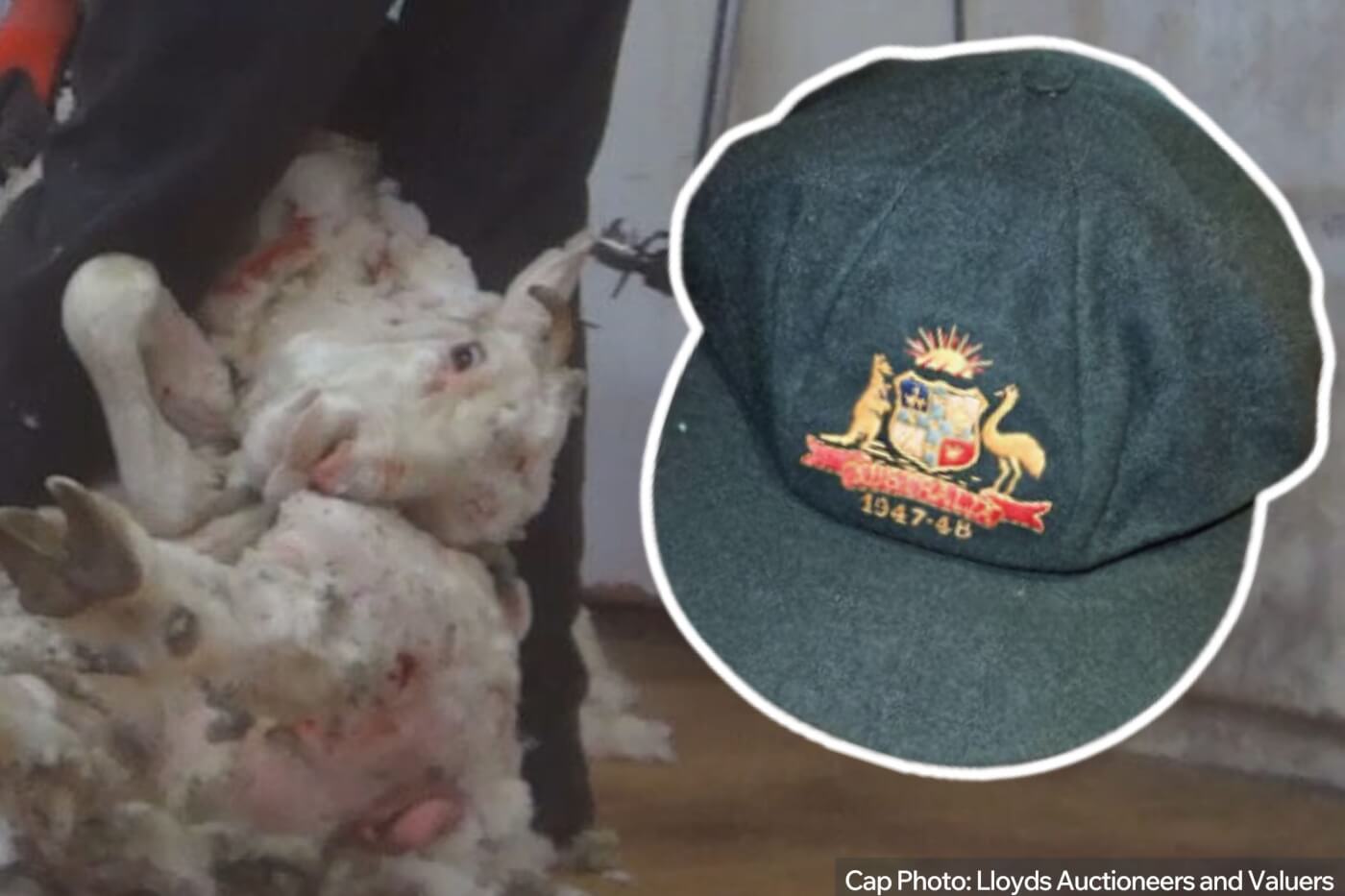
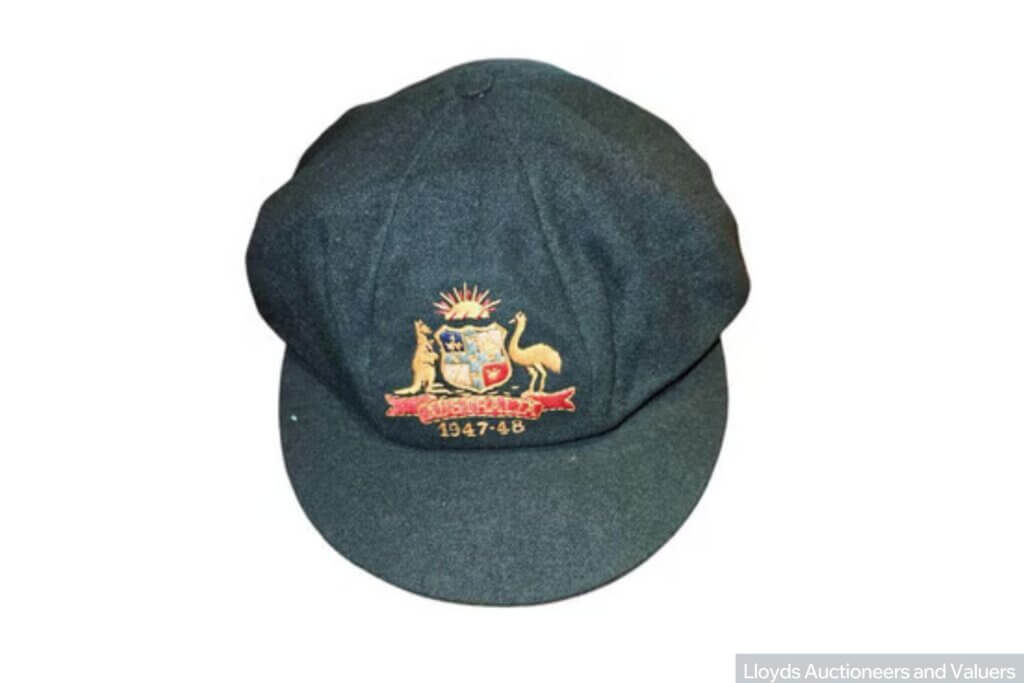
With cricket season underway, all eyes down under are on one pretty pricey piece of sporting memorabilia – a classic “baggy green” cricket cap worn by none other than legendary batsman Don “The Don” Bradman.
Currently accepting bids on Lloyd’s Australian online auction site, experts say the cap could fetch an impressive 1 million dollars by the time the hammer falls on Australia Day, and now PETA has called for proceeds from the auction to go to sheep and lamb rescue charities.
After all, while nothing can be done to undo the suffering sheep endured for the cap, which is made from Australian wool, why shouldn’t the money help other sheep spared from the violent industry?
Every Sheep Is Someone
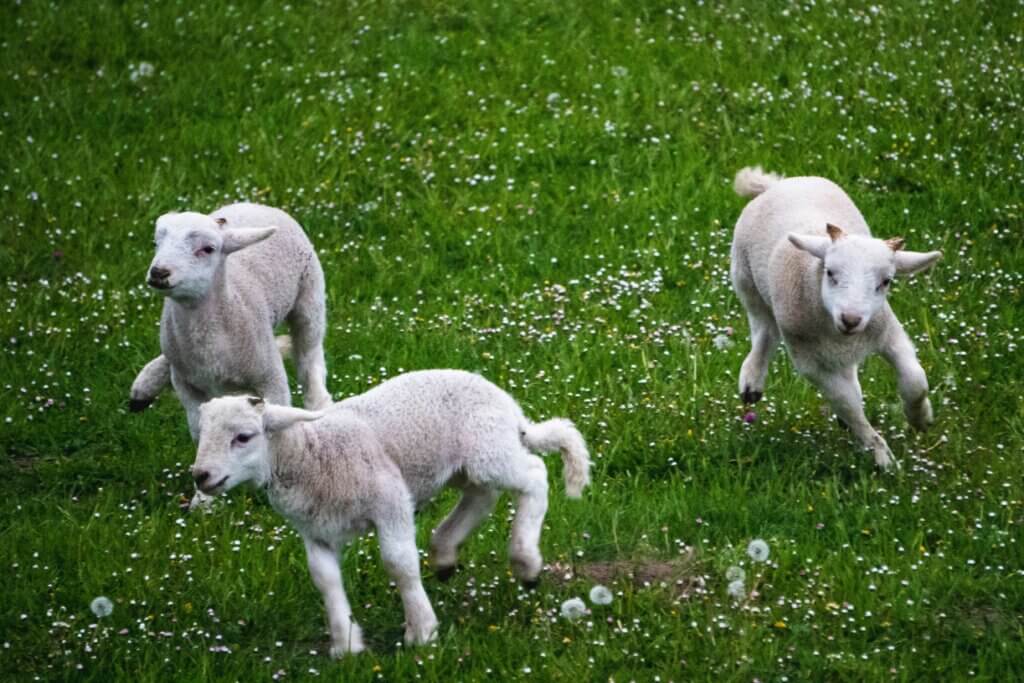
Sheep are not uniform components, but thinking, feeling individuals who suffer immensely from the moment they’re born into the wool industry.
Sheep are playful and social animals who enjoy the company of their flock. They have great memories, can recognise the faces of at least 50 other sheep, and grow depressed if isolated from others.
Intelligent and empathetic, sheep can detect anxiety in another sheep simply by observing their face and can even recognise different expressions on human faces.
Mutilated, Beaten, Killed – Wool Hurts Sheep
The Australian industry estimates that around a quarter of newborn lambs – up to 15 million animals – die annually from exposure or starvation within their first 48 hours of life.
Those who survive suffer mutilations, most often without any pain relief, including being crudely castrated and having their tails severed. The vast majority of Australian sheep used for wool also endure live lamb cutting (which the industry euphemises as mulesing), where swathes of skin are sliced off a sheep’s buttocks, usually without pain relief.
Eyewitness accounts show that sheep abuse continues inside the shearing shed. PETA entities have now released 15 damning exposés of over 150 wool industry operations on four continents, revealing workers beating, kicking, and throwing sheep and sewing their gaping wounds shut without pain relief. When sheep are no longer profitable, they’re prodded onto live export vessels or sent to slaughter to have their throats slit.
The Don’s Cap Might be Green, But Wool Isn’t
Aside from being cruel, wool is also environmentally destructive, with land clearing to accommodate Australia’s 74 million sheep driving the nation’s shameful deforestation record and endangering native animals like koalas.
As ruminant animals, the world’s sheep emit an estimated seven million tonnes of methane annually. Methane is about 80 times more potent than carbon dioxide (CO2) at trapping heat over 20 years, making it a powerful driver of near-term global warming.
The wool industry is also thirsty, with Australian research indicating it takes 170,000 litres of water to produce one kilogram of clean wool.
Given Australia’s propensity for drought and deadly bushfires, we can no longer afford to buy into the wool industry’s greenwashing.
Plant Wool will “Bowl” you Over
From common plant wools like cotton and bamboo, which can be used to make everything from activewear to knits, to innovative plant wool made from oranges, soy, and even beer, plant wools are natural, versatile, and eco-friendly.
More and more designers are turning to ancient and state-of-the-art plant wools to reduce their carbon footprint and meet customers’ animal welfare demands.
Plant wool is just as warm, stylish and as animal’s fleece, but carries a fraction of the environmental impact and ensures that no sheep suffers for fashion.
Help Sheep Get “Out” of the Wool Trade
You can help spare gentle sheep the torture of having their fleece stolen.
When shopping for clothes and accessories, choose plant wools, and if an item has “wool” or “merino” on the label, put it back.
Help Animals in 2026: Renew Your PETA Membership!
Donate Now