
This Aussie Company’s Realistic Human Simulators Could Save Countless Animals’ Lives Globally
Thousands of animals across the globe are sliced open, mutilated, and killed in surgical training procedures each year, even though simulators can replace the use of animals in nearly all training situations.
But after speaking with PETA entity scientists, one innovative maker of animal-free medical training models has solidified its public stance supporting the development of ethical surgical training tools to help medical institutions shift away from using live animals.
Australia-based IMRA Surgical recently sat down with PETA US to explore ways to expand access to human-relevant, animal-free medical simulation models for minimally invasive surgical training. After the meeting, the company adopted a formal public policy, making its position clear:
“IMRA does not use animals for courses, demonstrations, product research and developent, or for any other purpose, and instead uses high-fidelity and ethical human simulation models that better serve educators, trainees, and patients alike. Unlike our advanced simulators, animals used in medical training are limited by serious ethical concerns, poor approximation of human anatomy, inability for reuse, risk of disease transmission, and significant financial and logistical investments. At IMRA, our vision is an animal-free medical education system rooted in innovation, compassion, and human relevance.”
– IMRA Surgical
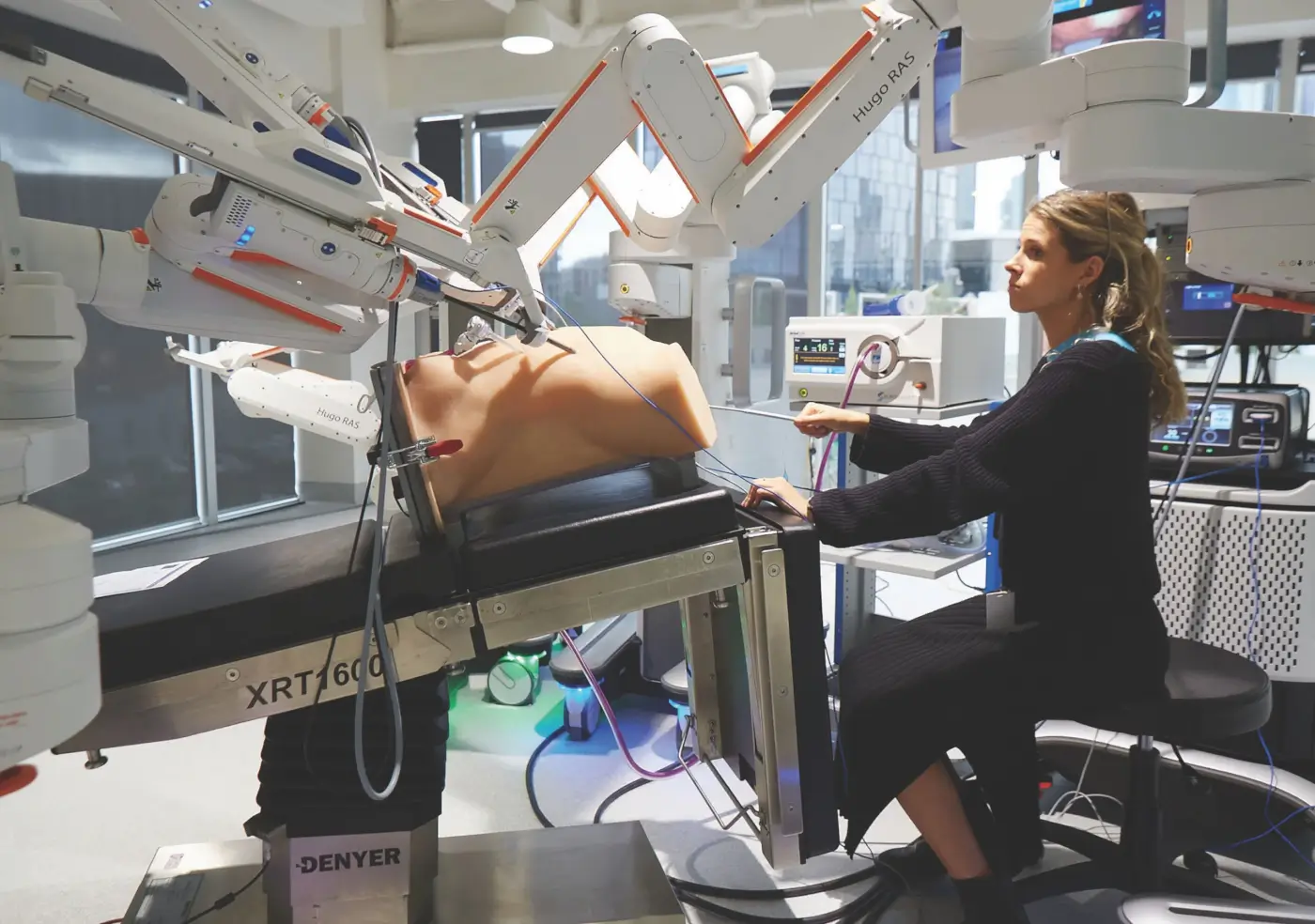
Training models developed by IMRA Surgical can replace the archaic use of pigs and other animals in robotic and laparoscopic surgical training. Its lifelike models feature realistic skin, tissue layers, organs, and working orifices that prepare surgeons for the operating room—all without harming a single animal.
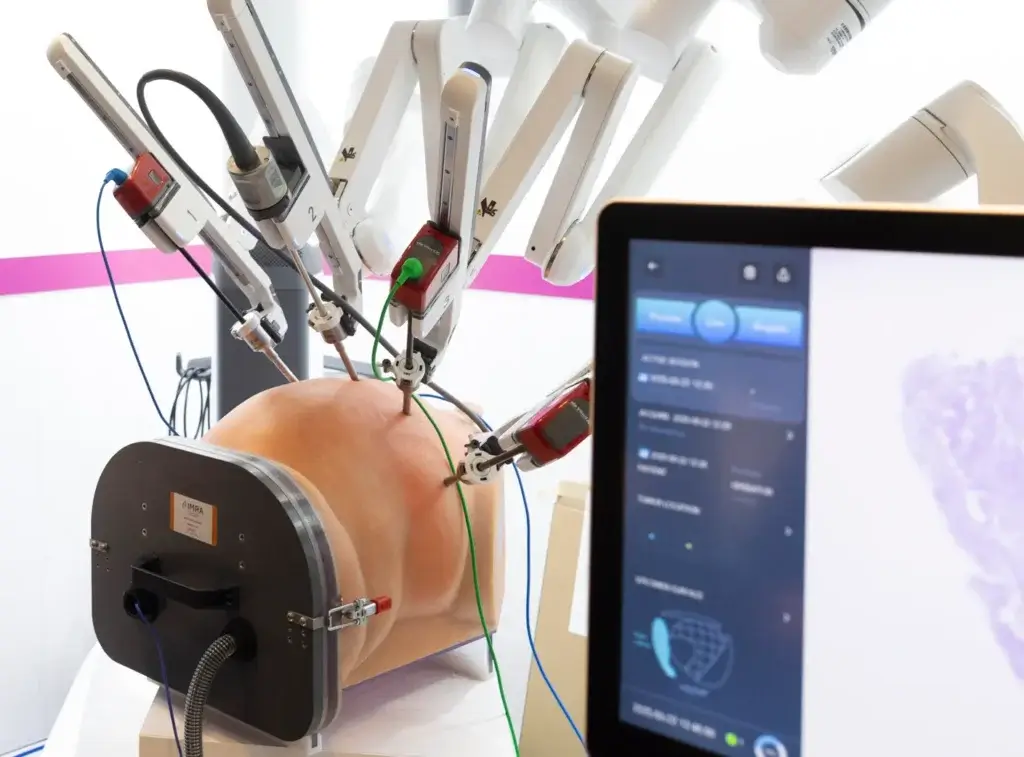
Unlike animals, IMRA Surgical models are reusable, cost-effective, customizable, and can better prepare surgeons to help their human patients.
The company collaborates with the Royal Australasian College of Surgeons, the professional body responsible for training and accrediting surgeons in Australia and New Zealand, to design robotics courses for various surgical specialties. And it’s developing training courses for physicians globally using synthetic 3D computer-generated organs and interactive virtual and augmented reality simulations for other specialties.
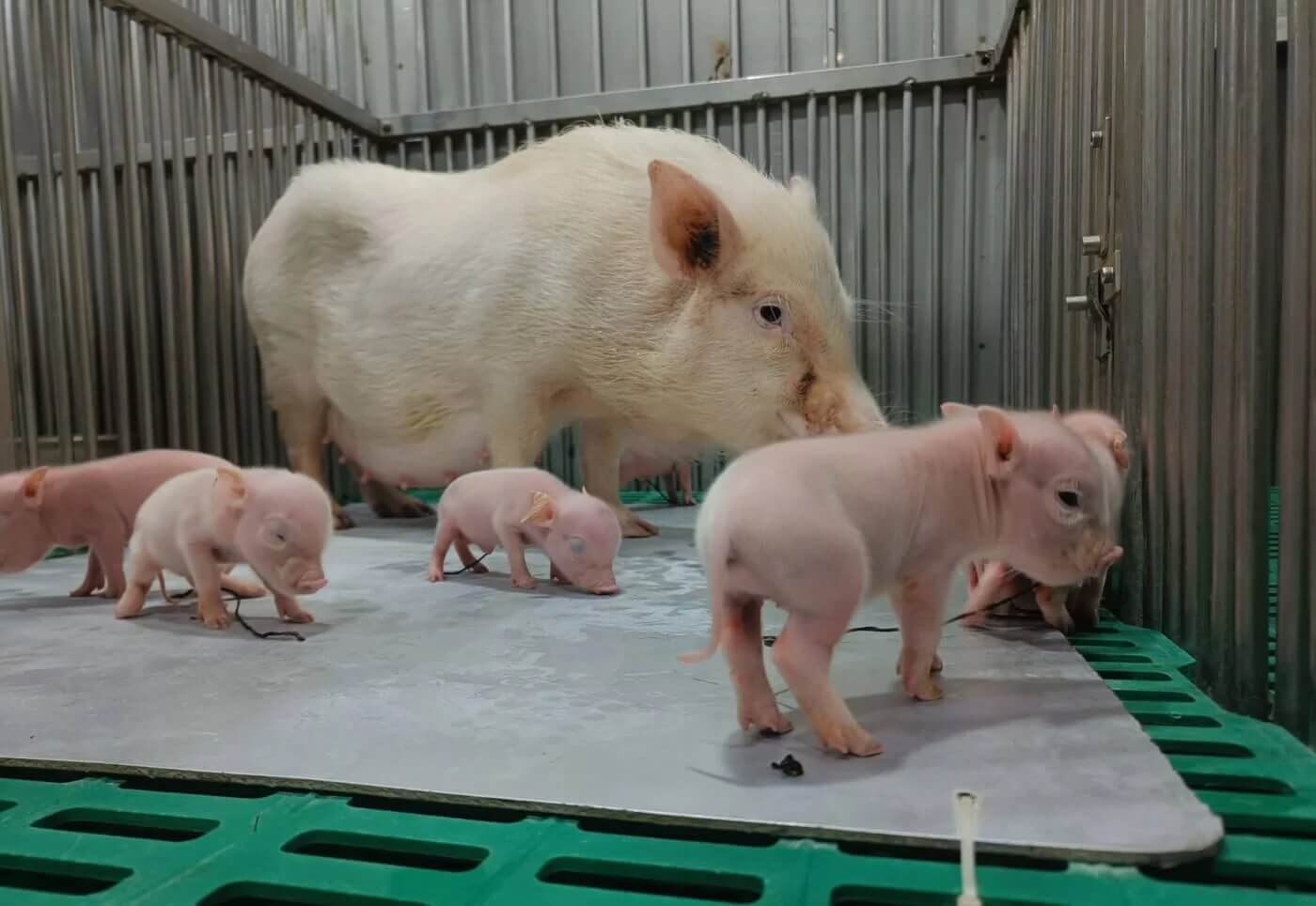
Animals are used in practice surgeries and other procedures across various medical disciplines. These programs may use parts of animal corpses or live animals, commonly pigs. But other species—including dogs, cats, monkeys, sheep, goats, and rats—are also used for such training drills.
Help Animals in 2026: Renew Your PETA Membership!
Donate Now