Aboriginal Conservationist Challenges LVMH on Wild-Animal Skins Ahead of Annual Meeting
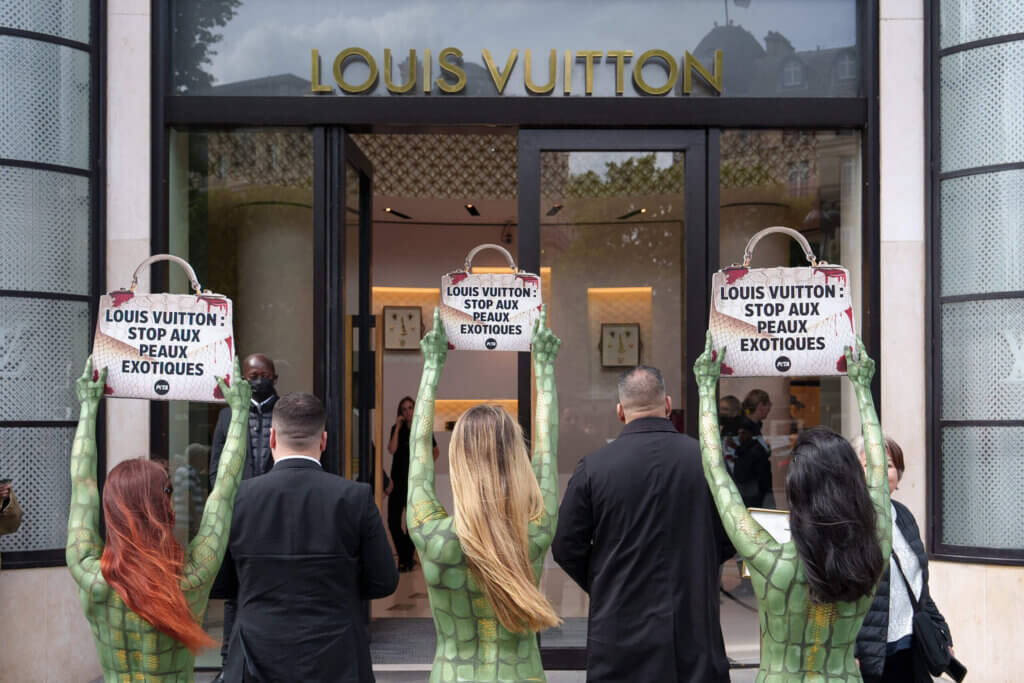
“Seeing their spirits crushed and defeated before my eyes” is how Donny Imberlong describes his experience working on a crocodile farm, one of around 20 in Australia, which supplies 60 per cent of the global market. In a question addressed to Bernard Arnault, CEO of luxury group LVMH, which continues to use wild-animal skins, the Australian Aboriginal photographer shared his testimony ahead of LVMH’s annual general meeting in Paris today, on behalf of PETA US, a shareholder.
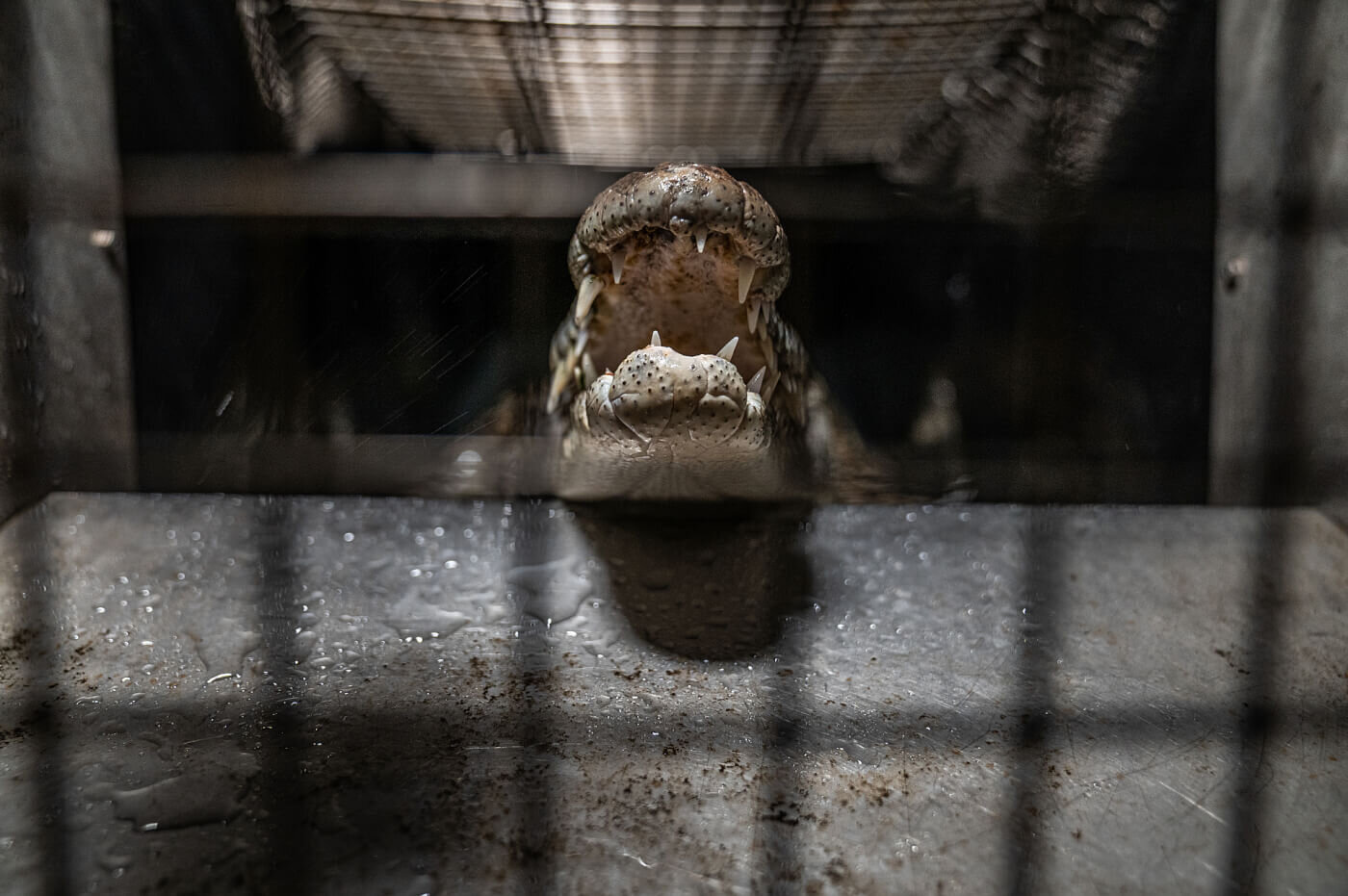
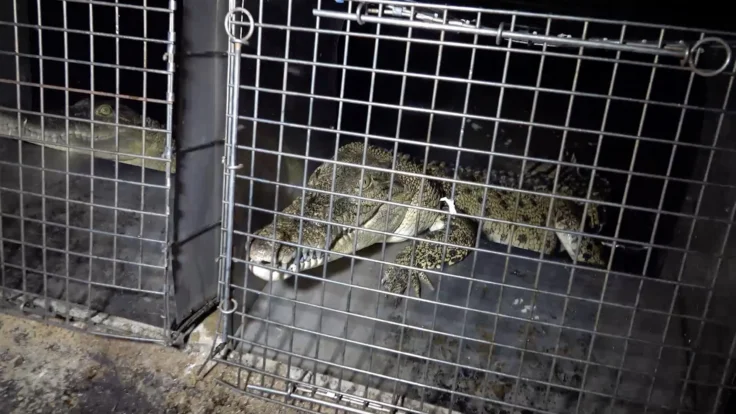
A member of the Jaru people, Donny grew up regarding crocodiles as kin, observing the intelligence of these ancient animals and the attentive care mothers give to their young. But in his youth, he worked on an intensive crocodile farm in Australia’s Northern Territory – one he describes as similar to those owned by LVMH. There, he witnessed horrific conditions: seeing the animals confined to concrete pits filled with stagnant water, crammed into cramped cages, then electrocuted and violently killed for their skins, long before the end of their natural lifespan.
“Mr Arnault, I’ve seen the reality behind Louis Vuitton’s ‘Speedy’ crocodile bags. It’s cruel and exploits these animals,” says Imberlong. “Real conservation doesn’t kill, and wildlife will never be protected when you put a price tag on their heads while parading their skins on catwalks.”
Today, Donny Imberlong has traded the slaughterhouse for a camera and documents the lives of crocodiles on the traditional lands of the Miriwoong Gajerrong people, where he lives. His work highlights the beauty and dignity of these iconic animals, whom he now strives to protect – he is the subject of the documentary Skin Deep, which explores the impact of crocodile farming on conservation.
Several PETA exposés have exposed how workers in the fashion industry hack at crocodiles’ necks and shove metal rods down their spines. Additional footage from Defend the Wild, filmed in intensive farms in Australia, reveals animals crowded into bleak enclosures or cages, dragged, electrocuted, mutilated, and stabbed with blades or screwdrivers.
Every crocodile-skin bag represents lives violently cut short for profit and vanity. PETA is calling on LVMH to turn away from these cruel and outdated practices and to adopt innovative, ethical materials in line with today’s consumer expectations.
Help Animals in 2026: Renew Your PETA Membership!
Donate Now