PETA to AC/DC: Wool Industry is a “Highway to Hell” For Sheep
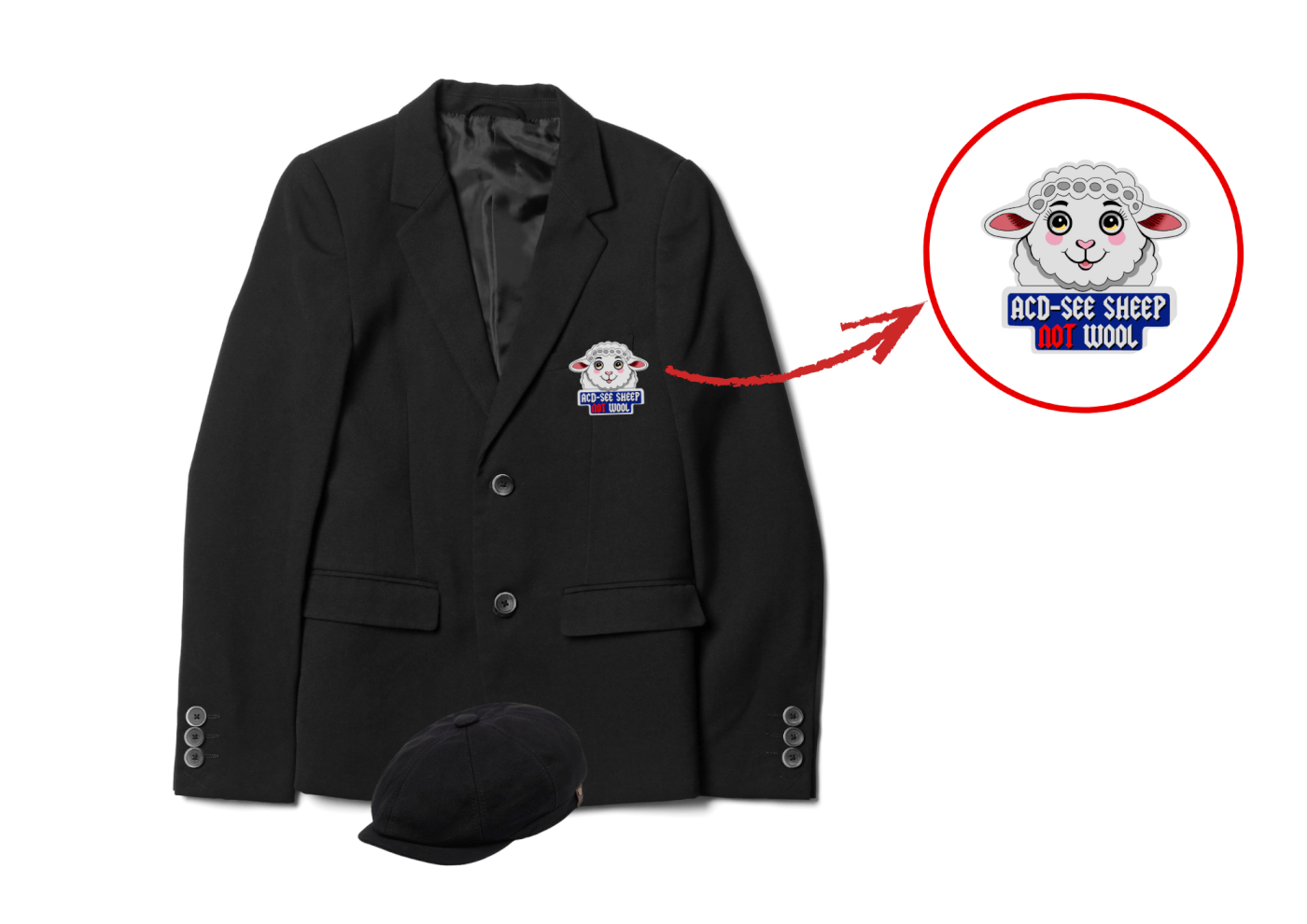
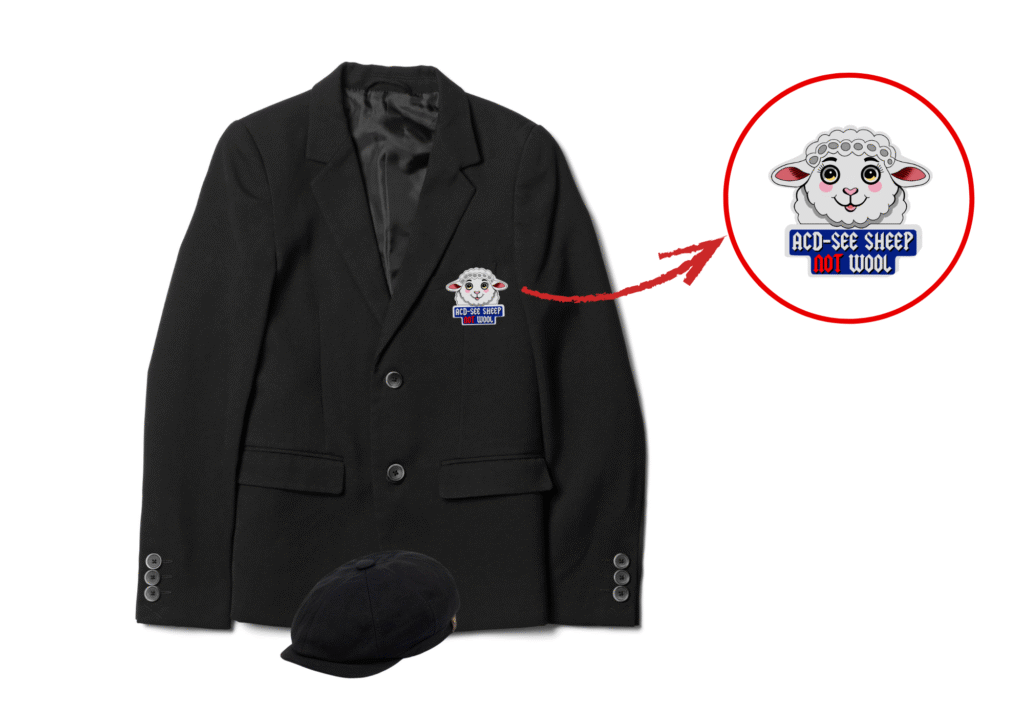
Ahead of the Australian leg of AC/DC’s “Power Up” tour, PETA is sending guitarist Angus Young a new school uniform made with 100 per cent plant wool. Both the plant wool blazer and the 100 per cent cotton cap are embroidered with a patch featuring a sheep and the words “ACD-SEE Sheep, Not Wool”.
The gift coincides with PETA’s inaugural Plant Wool Month, which celebrates sustainable, animal-free fibres made purely from plants.
We hope this new uniform will inspire Angus and the rest of AC/DC to embrace plant wools and really see sheep, who, despite being individuals, are on a “highway to hell” from the moment they’re born into the wool industry. PETA’s letter to Angus Young, accompanying the gift, is available here.
What Is Plant Wool Month?
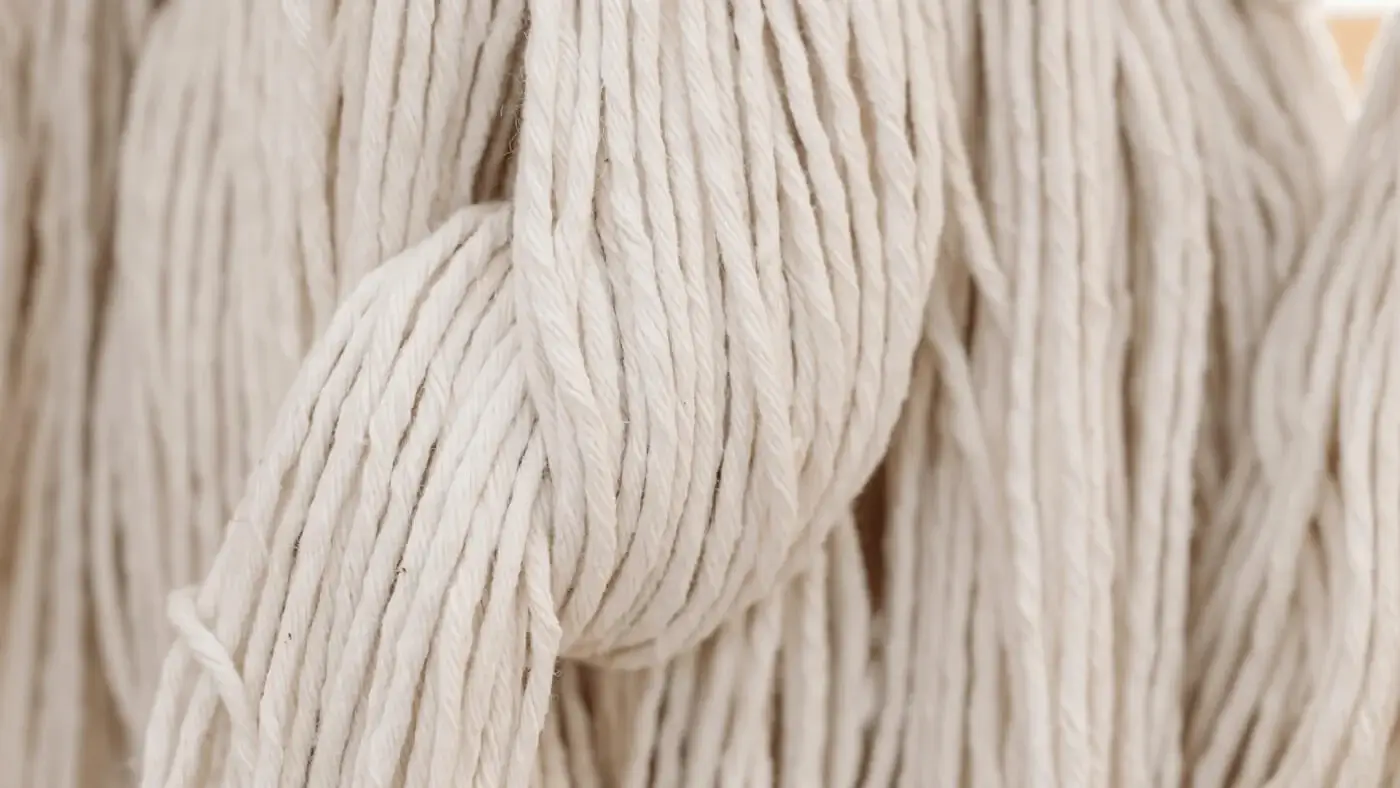
Plant Wool Month celebrates animal-free and plastic-free yarns that promote sustainable fashion while lowering greenhouse gas emissions. It also helps protect the animals with whom we share this precious planet.
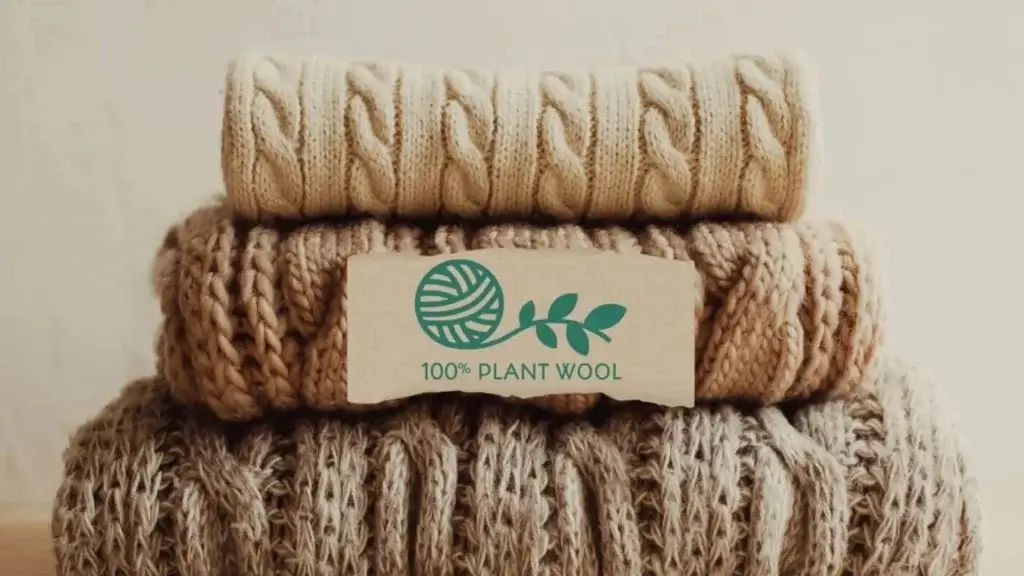
Plant Wool Month will recognise the hard-working crop farmers, innovative textile makers, and pioneering designers who grow, spin, and work with these beautiful yarns to create knitwear, suits, and more, thereby weaving a kinder future for the planet and its animals.
Sheep Farming Is Killing the Planet
Despite the industry’s greenwashing, research has shown that animal-derived wool is also environmentally destructive. Animal agriculture remains the primary driver of deforestation in Australia, including essential koala habitat, with the impact of sheep farming second only to that of cattle farming. Australia’s 70 million sheep are also incredibly water-intensive, and each one produces about 30 litres of the potent greenhouse gas methane each day.
Sheep, as ruminant animals, are a major emitter of methane, a planet-warming greenhouse gas. They also use a huge amount of land: many of the vast green fields you see in the countryside were once forests that were destroyed to make way for sheep farms. Garments made of wool are often marketed as “natural”, but the shorn hair of sheep is routinely doused in chemicals to clean it.
All this, along with the industry’s energy use, and of course the animals’ waste, has led the Made-By Environmental Benchmark for Fibres to rank sheep’s wool as a “Class E” material – the worst possible category. In contrast, hemp – a plant wool used for thousands of years to make clothing – is ranked as a “Class A” material.
Sheep Farming Cruelty
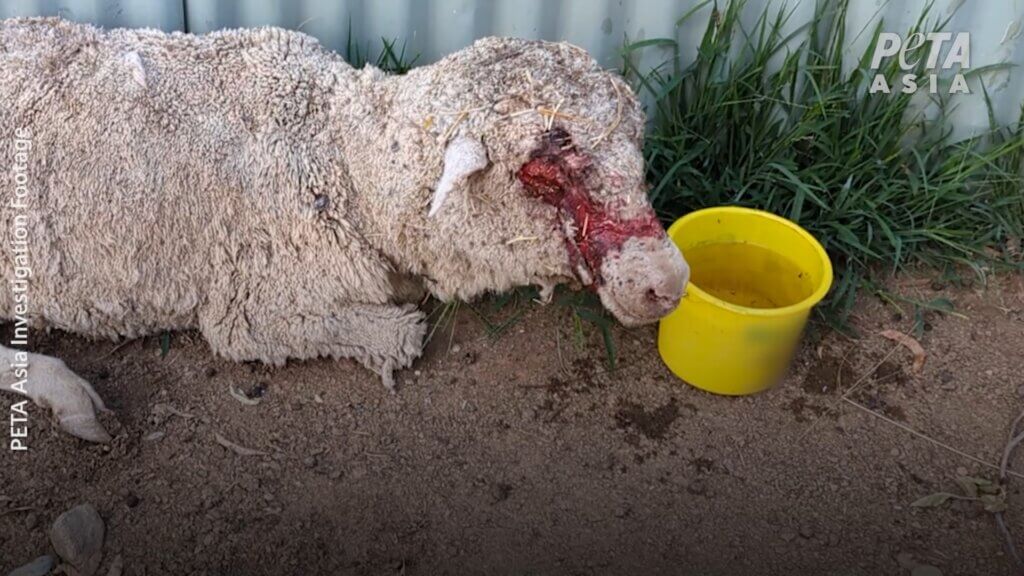
PETA entities’ exposés of over 150 sheep’s wool-industry operations across four continents highlight the ethical reasons for conscious consumers to avoid sheep’s wool. Lambs endure routine mutilation, such as having their tails and testicles removed, usually without pain relief. Sheep are often kicked, beaten, and stomped on by workers in shearing sheds.
The industry often argues that sheep “need to be shorn”, but that’s only because they’ve been selectively bred to produce an unnatural and uncomfortable amount of wool. We have no right to breed sheep into existence to use them for this purpose. Choosing plant wool is the kindest option for both sheep and the planet.
Inspired to Try Plant Wool?
A growing number of designers are ditching sheep’s wool in favour of cruelty-free options. Here’s everything you need to know about materials you can choose instead:
Help Animals in 2026: Renew Your PETA Membership!
Donate Now