
Sharks Don’t ‘Infest’ Waters, They Live There – Killing Them Solves Nothing
In recent months, Australian headlines have been flooded with stories about shark ‘attacks’
There’s no denying that injuries and deaths arising from shark interactions are tragic, but, as so many swimmers who’ve faced a shark and lived attest, it’s never the shark’s fault.
While humans sit at the beach eating sharks’ dead bodies (in the form of flake, popular at fish and chip shops), sharks don’t come to our homes to eat us. They’re simply predators who hunt fish and get confused by our presence in the ocean.
Here’s why calls for shark ‘culls’ are unkind and unjust.
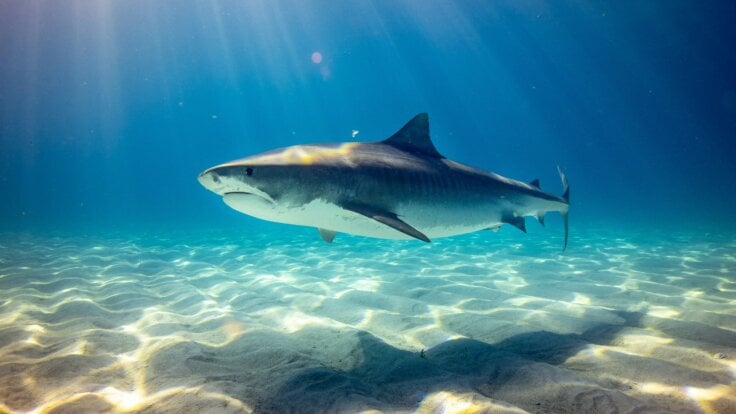
The Ocean is Sharks’ Home
Sharks don’t ‘infest’ our oceans; they live there, having babies, socialising, and, like us, simply trying to survive on an ever-warming planet.
Whenever we enter a wild animal’s habitat, we take a risk, and the responsibility is wholly on us. Many shark attacks happen while the victims are spearfishing – can we really blame sharks for entering a space full of fish (and, thanks to us, their blood)?
It’s pretty hypocritical to condemn fish for attacking us while we’re in their home, attacking fish.
“It’s really quite strange that the Government there should try and kill the sharks… We have to learn to live with them.”
Rodney Fox, shark incident survivor
Humans Harm Far More Sharks Than Sharks Hurt Us
The 1975 film Jaws has a lot to answer for. Decades later (and despite efforts by the titular character’s creator to reverse the fear he caused), many still see sharks as ruthless killers, stalking humans in the shallows.
In reality, shark attacks are rare. In 2025, in a world of 8 billion people, there were just 65 unprovoked shark attacks on humans worldwide, making the likelihood of a fatal shark attack one in 4,332,817. You’re actually more likely to choke on a fish’s bone!
In contrast, humans slaughter more than 100 million sharks every year for their flesh, fins, oil, and cartilage.
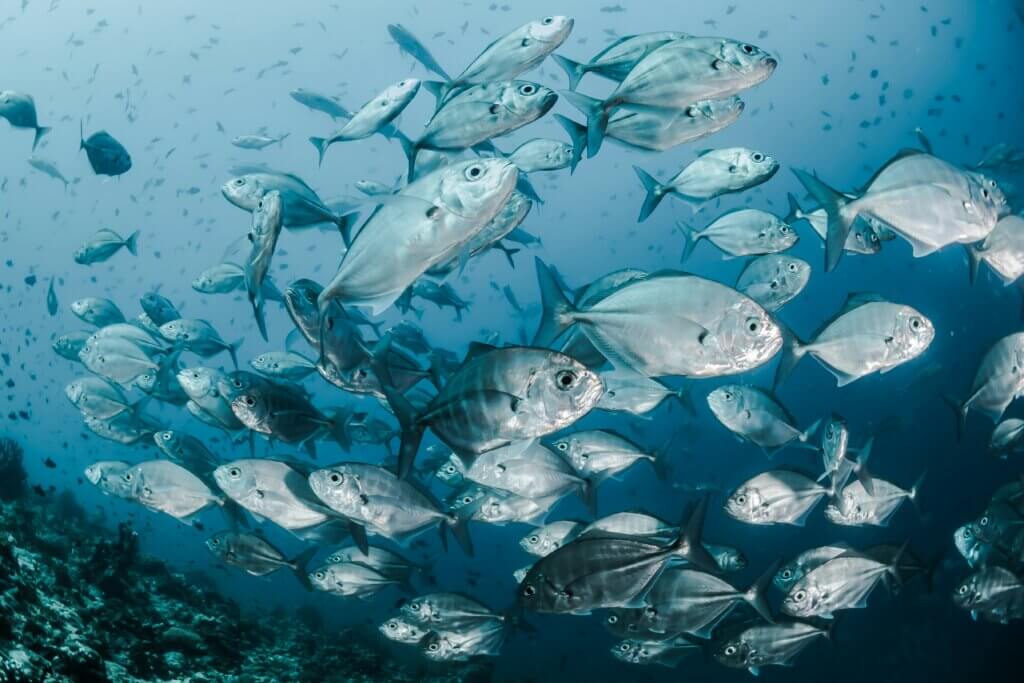
300,000 more sharks and rays are killed annually as ‘bycatch’ of the fishing industry, which, alongside intended victims, also scoops up turtles, seals, dolphins, whales, and birds.
In addition, humans skin sharks to make accessories, and confine them and other sea animals to tiny tanks at aquariums and marine parks, forcing them to swim in circles for our entertainment.
Bottom line? Sharks aren’t bloodthirsty predators; humans are.
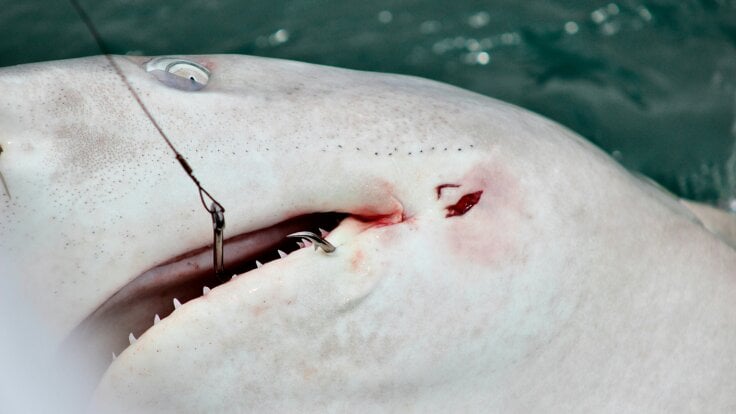
Human Actions Drive Shark Incidents
Sharks aren’t looking for humans to eat when they bite us. They’re looking for their natural food sources, and we just happen to be there. Often, sharks attack humans in confusion – and we’re largely to blame.
Experts say that key drivers of sharks mistaking humans for fish include murky water, due in part to construction and agricultural runoff; warmer seas and increased rainfall (thanks in part to the human-accelerated climate catastrophe), ocean pollution, and us gobbling up their food supply.
Our habits are pushing sharks to behave differently; they don’t deserve to die for that.
Wildlife Mass Murders Are Never the Answer
Whether it’s placing cruel bounties on the scalps of homeless cats, shooting brumbies from helicopters, or taking to the seas to kill sharks, killing wild animals is myopic and cruel.
Animals aren’t their collective nouns; each is an individual with a unique personality. Hunting animals down as if they’re just an inconvenience is wrong and shortsighted.
Experts warn that killing sharks is as ineffective as it is cruel, partly because sharks are migratory, so a decrease in local population doesn’t affect the number of sharks coming into an area. As Emeritus Professor Rob Harcourt, who leads the marine predator research group at Macquarie University, notes, “A cull won’t change the risk unless you completely remove white sharks from the ocean. It’s not feasible, and it would be an ecological catastrophe”.
Mass killings have failed before: Hawaii during the 1960s and 1970s slaughtered 4,668 sharks, but shark bite frequency didn’t change.
You Can Help Sharks
You can help sharks in many ways:
- Never visit an aquarium or marine park
- Never eat fish (or other animals)
- Be sea savvy – don’t swim with sharks or provoke them
- Speak up when you see a restaurant selling shark fin soup
- Never buy or wear sharks’ skin – or anyone else’s!
In addition to these simple steps, the most powerful way to help sharks is to go vegan!
To help all animals, lower your impact on the planet, including ocean warming, and ensure fish stay in the sea where they belong, take our 30-day vegan pledge today!
Help Animals in 2026: Renew Your PETA Membership!
Donate Now