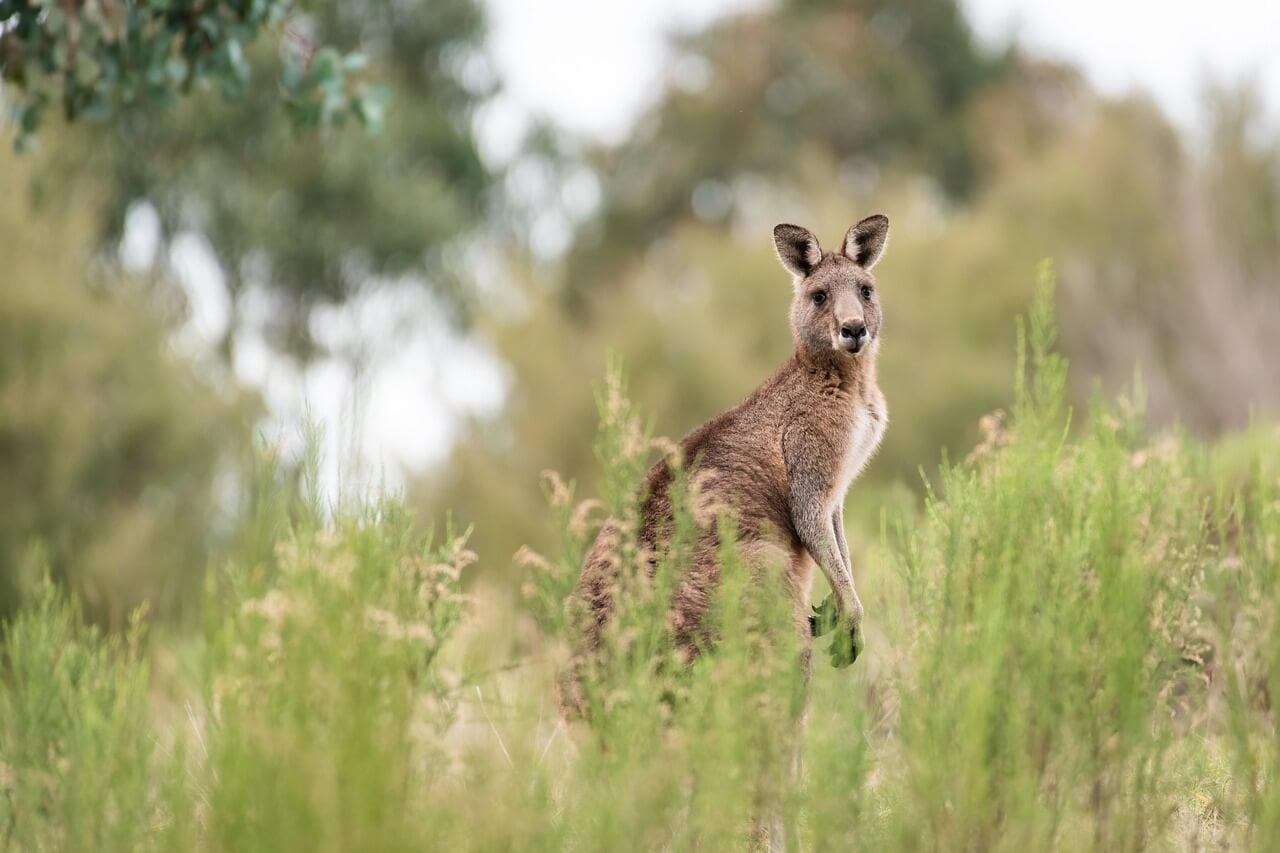
It’s World Kangaroo Day! How Meat, Skins, and Tourism Massacre Macropods
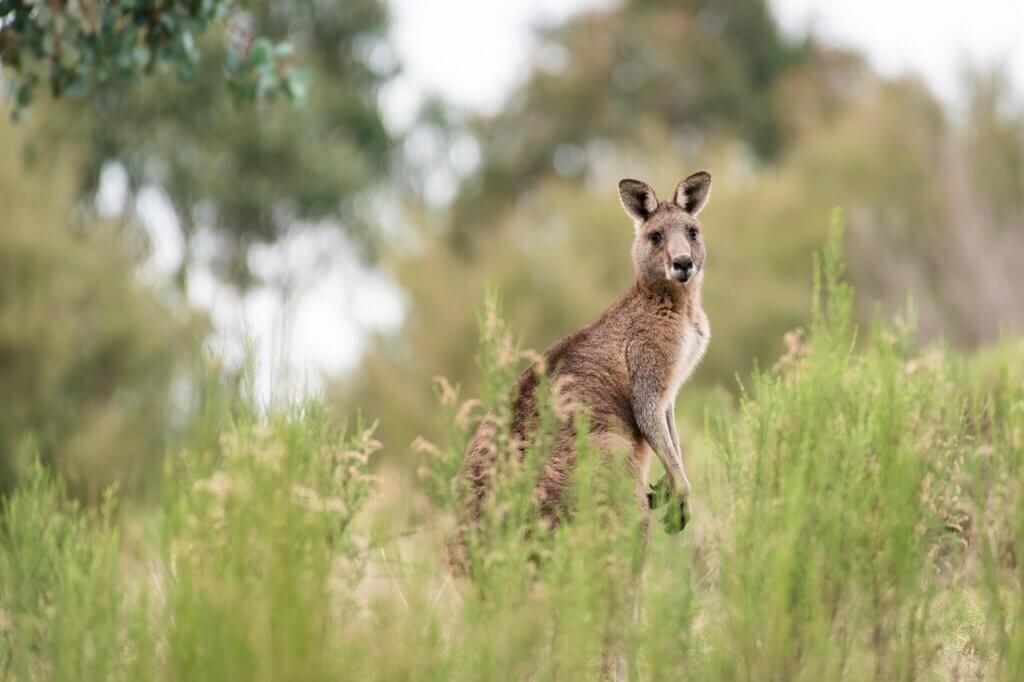
They grace our coat of arms, the dollar coin, the tourism board logo, and the national airline logo. With an immediately recognisable silhouette, few Aussie animals are as iconic as the kangaroo.
But, while kangaroos may epitomise the land down under, we routinely abuse these macropods (and their cousins, wallabies and tree kangaroos).
From shooting mother kangaroos and bludgeoning their babies under the cover of night, to farming them for their meat and skins, and engaging the meat industry’s decimation of vital habitats, Australia’s relationship with kangaroos is complicated, cruel, and, ultimately, is ushering in their extinction.
Not Just Skippy, All Macropods are at Risk
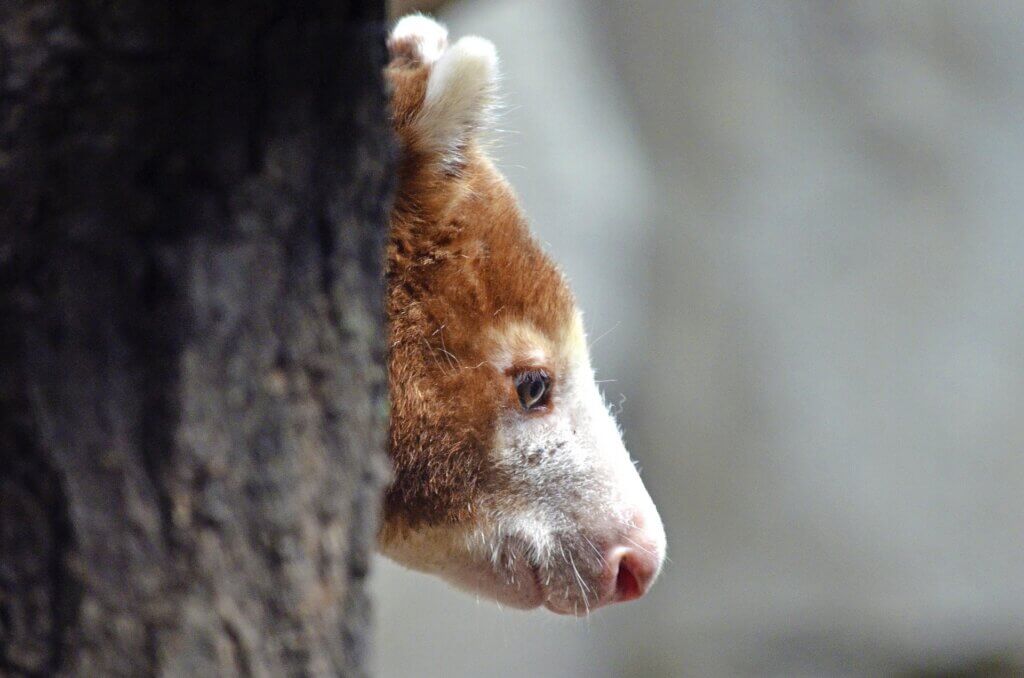
Australia is home to over 60 species of macropods, including the elusive tree kangaroo, which calls the rainforests of northern Australia home.
Sadly, these rare and gentle animals are at risk thanks to beef farming, and Australia’s two species, the Lumholtz’s tree kangaroo and Bennett’s tree kangaroo, are now listed as “near threatened”.
In Queensland, more than 320,000 hectares of land were cleared in the last reporting period. Almost 90 per cent of this was for pasture, primarily for beef production.
Meat is Murder for Macropods
Nothing we do exists in a vacuum, and a perfect example of this is the vast and negative knock-on impacts that farming animals for food has on wildlife.
Raising sheep for their flesh and fleece, and cows and bulls for dairy and beef, requires a lot of land for those animals to graze on and to accommodate feedlots, which are like open-air factory farms on which cattle are fattened for sale.
The crops grown to feed these animals are also land-intensive. Between 2016 and 2020, 79 per cent of Australian land cleared was for animal agriculture, with just 4 per cent dedicated to crop production. All other drivers, including mining and timber production, accounted for just 17 per cent combined.
Just as meat production drives koala extinction, our appetite for animal flesh puts macropods at risk.
Kangaroo Slaughter- Australia’s Hidden Shame
By day, kangaroos are cultural icons, but by night, they’re legally hunted prey. Advocates for this gruesome practice claim that kangaroos are “pests” and exist in “unsustainable numbers” encroaching on animal pasture, but conservationists—and the science—disagree.
In Australia, the commercial shooting of kangaroos is legal, and the kill count is immense. In 2019, 1.57 million kangaroos were commercially slaughtered, not including joeys who will die when their mothers are killed.
Their corpses are sold for meat and skins here and abroad.
Kangaroos are shot from a distance, at night, by amateurs, meaning many suffer immensely for prolonged periods, thanks to inaccurate shots that don’t kill them cleanly. Conservative estimates find that some 40% of shots are not immediately fatal.
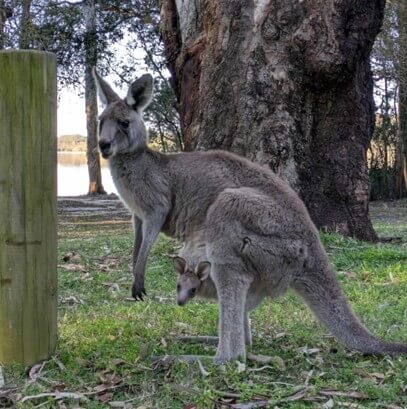
Many of the animals shot are mothers with in-pouch joeys, who are also then killed. It’s legal, under the code of conduct, to yank a joey from their mother’s pouch and decapitate them or kill them by slamming their heads against the tray of a truck or solid ground.
The Wild Skins Industry
Australia is home to some of the world’s most unique and fascinating animals, but greed drives a wild skins industry that imprisons them on filthy farms and drives them to slaughterhouses.
Alongside crocodiles kept in tiny concrete pits before being butchered and skinned for bags and belts, more than 1.3 million wild kangaroos are slaughtered every year and skinned for their pelts and to make sports shoes.
While brands like Puma, Nike, New Balance, Sokito, adidas, ASICS, Mizuno, and Umbro have all announced that they are phasing out kangaroo animal skin, RM Williams and numerous other brands selling UGGs continue to use kangaroo skins.
Tourism
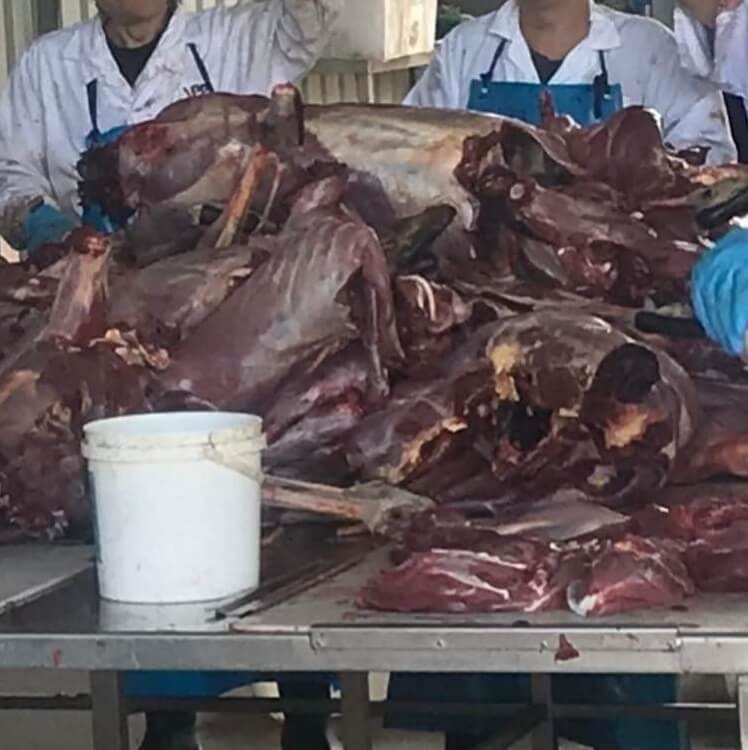
Given how famous a drawcard as kangaroos are for visitors to Australia, it’s jarring to see their body parts sold in all our tourist stores and markets. From kangaroo jerky to back scratchers made from their severed paws and bottle openers fashioned from their sliced-off testicles, our proud national icon is routinely murdered and reduced to gimmicky souvenirs.
Of course, these tacky trinkets are co-products of the meat and skins industries and represent mass slaughter. An animal’s painful death isn’t a novelty.
How You Can Help
Aside from never buying kangaroo meat, accessories made from wild skins or trinkets made from a roo’s body parts, going vegan is the single most powerful thing you can do to help macropods like kangaroos, wallabies, and tree kangaroos.
Every person who chooses to live vegan reduces the demand for land use for sheep, cattle, and other farmed animals, reversing the destructive cycle of deforestation driven by our appetite for meat.
Join our 30-day vegan pledge today and enjoy a month of tips and recipes to hop into a kinder, greener lifestyle.
Help Animals in 2026: Renew Your PETA Membership!
Donate Now