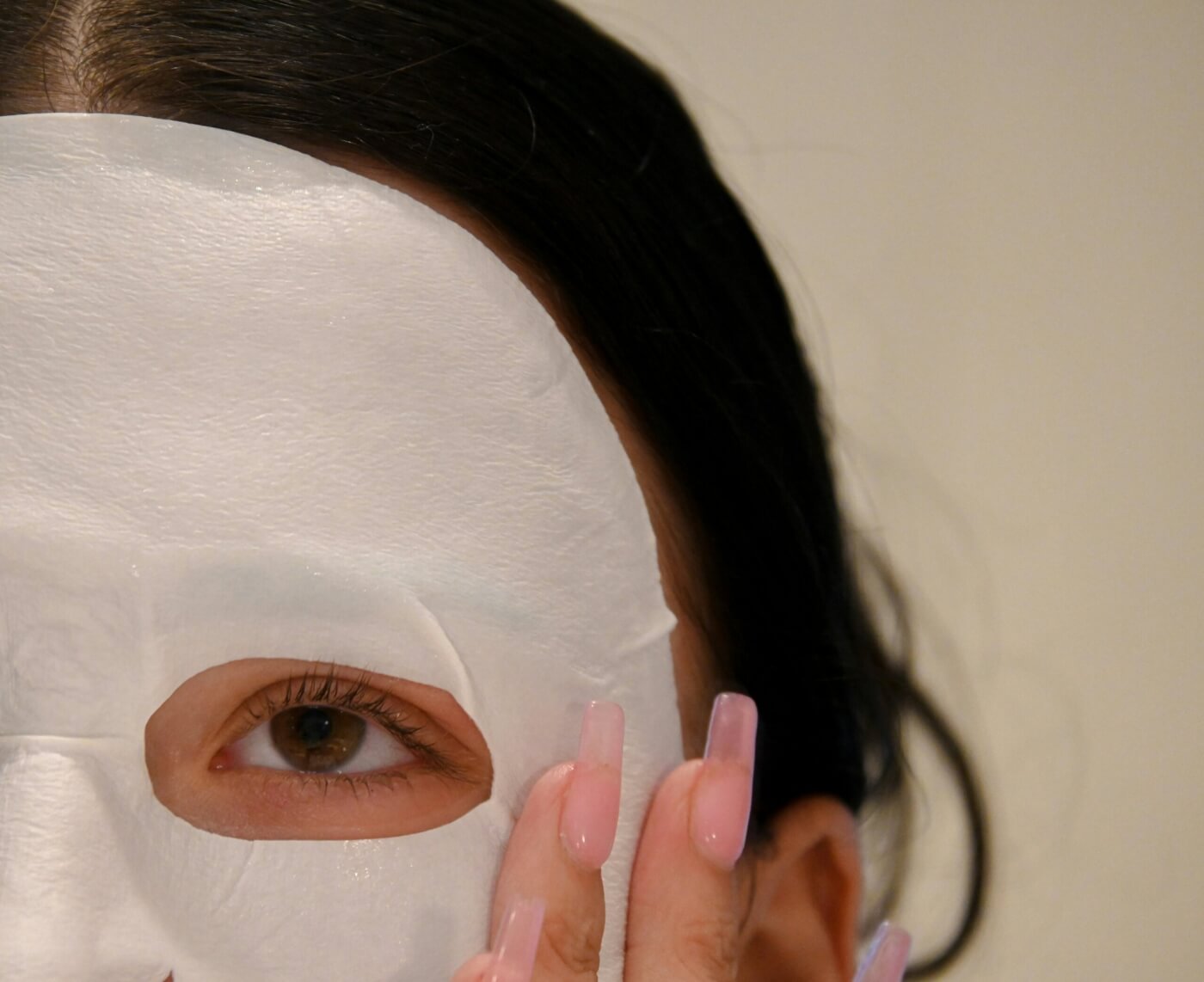
A Face Full of Flesh? Yuck. Get “Glass Skin” Without Hurting Animals
It seems that Korean skincare (K-Beauty), “glass skin” routines, and collagen face masks are everywhere at the moment.
But what is glass skin, and where – or rather, who – does the collagen so prominently used in face masks, creams, and potions come from?
Sadly, the answer is animals. While the word “collagen” may conjure up images of a fountain of youth, the reality is disgusting. Just like us, animals make and store collagen in their bones, tendons and muscles. Like the gelatine found in lollies and jelly, collagen is a fibrous protein inherent to connective tissue.
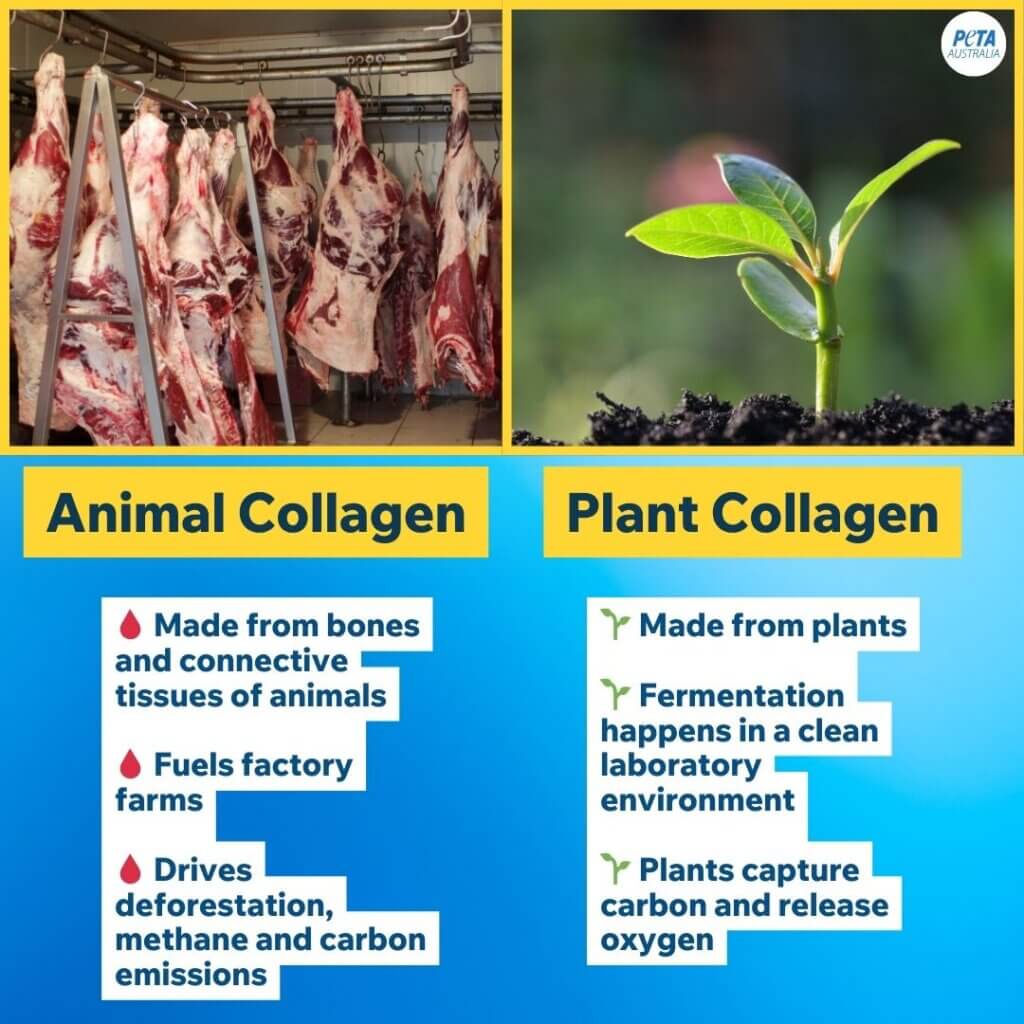
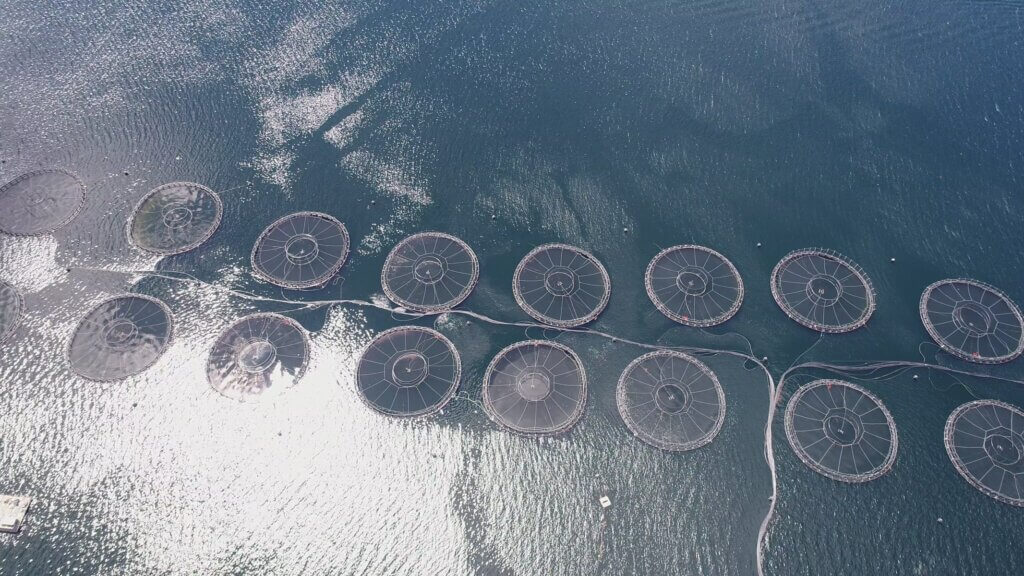
Most collagen on the market comes from the hides of cows and bulls killed for their flesh, but pig collagen is also common. Marine collagen, derived from fish such as salmon, is increasingly marketed as a food supplement and skincare ingredient.
The more people buy them, the faster the cruel and destructive factory farming of these species grows.
A valuable co-product of animal agriculture, animal collagen carries the same responsibility for harming animals and the planet that meat does. When companies add collagen to skincare products or market powdered collagen as a beauty supplement, factory farming increases, and more animals suffer.
Fight Crow’s Feet Without Cow’s Feet
You don’t have to slather yourself in someone else’s connective tissue to look younger. Vegan collagen is becoming more common, and it’s better for our skin, animals, and the planet!
Like us, animals make collagen from the plant foods they eat, and for fish, the algae they consume, using nutrients from plant foods to create and maintain their bodies’ elasticity.
Traditionally, “vegan collagen” supplements have been formulations of vitamins and minerals that stimulate our own collagen production, but, increasingly, vegan collagen supplements are incorporating animal-free collagen, like VeCollal®, which is a certified cruelty-free product identical to human collagen in its amino acid profile, but made from fermenting plants.
In on-skin beauty products, vegan collagen can be derived from a variety of sources, but is generally extracted from soy, wheat, or other botanicals rich in amino acids.
Don’t Get Complacent – Animal Testing Hasn’t Stopped
In 2020, compassionate consumers celebrated when an anti-animal testing bill applying to cosmetics passed into law.
But a deeper dive into the laws reveals loopholes that ensure animals will still have shampoo poured into their eyes, be forced to inhale harmful chemicals, and have their newborns deliberately deformed to test the ingredients used in many beauty products.
Don’t assume animal testing is over. Always look for certifications that guarantee what you buy is cruelty-free.
Beauty Isn’t Only Skin Deep
Everyone knows it’s what’s inside that counts, and no one wants to be beautiful on the outside but ugly on the inside.
Every animal is someone, with needs, wants, thoughts and personalities of their own. Just as we wouldn’t harvest our companion dogs or cats for their collagen, we should never pay to have this done to other animals, either.
There’s simply no way to extract animals’ bones and skin without slaughtering them, so if you see animal collagen on the label, put it back!
Get Glowing Without Hurting Animals
Style icon Audrey Hepburn once said, “Beauty is being the best possible version of yourself, inside and out.” That means treating others, including animals, as kindly as we would like to be treated ourselves.
Here’s how you can embrace inner beauty to shine on the outside
- Choose Cruelty-Free Cosmetics
Animal testing laws in Australia aren’t a guarantee that everything you buy will be cruelty-free. It’s still essential to look for cruelty-free certifications, such as those listed on PETA’s Ultimate Cruelty-Free List.
- Opt For Animal-Free Ingredients
Bones, blood, tendons, crushed bugs – you’d be amazed at what can be lurking in your cosmetics case. Get savvy about what to look out for to avoid animal harm, from beeswax to carmine, and aim to choose products that are explicitly labelled “vegan”.
- Leave Death Out Of Your Diet
When it comes to glowing, what we put on our skin is far less important than what we put in our stomachs. Not only is killing gentle animals for their flesh wrong and destructive to the planet, but it also harms our gut biome, which has a direct impact on our skin.
Conversely, animal-free foods positively impact the gut biome because high fibre and prebiotic-rich plants increase beneficial gut bacteria.
- Get Active For Animals
Animals can always use a helping hand. Volunteer at a sanctuary, do some street outreach, protest companies that exploit animals, or rescue someone in need. Beauty comes from the inside out, and getting loud for animals is one of the most stunning things you can do!
- Lead By Example
You don’t have to storm the streets to make a difference for animals. Leading by example, by only ever cooking, buying, gifting, and using animal-free products, goes a long way to protecting animals and the planet.
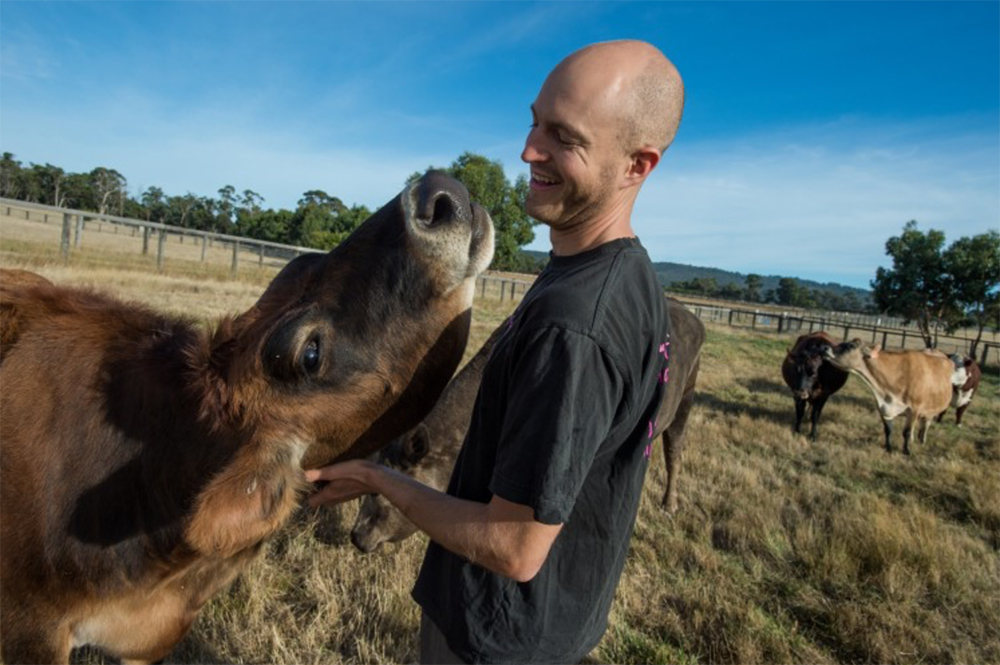
Whether you’re pampering yourself or someone else, reach for fish-free omega-3, gut-nourishing vegan foods, and innovative animal-free collagen to keep yourself healthy and glowing. When the compliments roll in – and they will! – Tell everyone that living animal-free is the true fountain of youth! Join our 30-Day Vegan Pledge to glow with compassion!
Help Animals in 2026: Renew Your PETA Membership!
Donate Now